The Southern African Development Community (SADC) has stepped up efforts towards regional integration through advancing various programmes with support from its International Cooperating Partners.
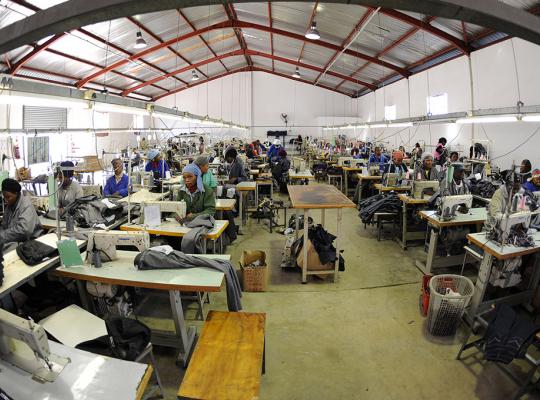
Read More Tweet!SADC is piloting and rolling out the SADC Regional Customs Transit Guarantee Regulations (RCTG) along the North South Corridor (NSC) and other corridors to ensure there are no hassles to trade in the Region.
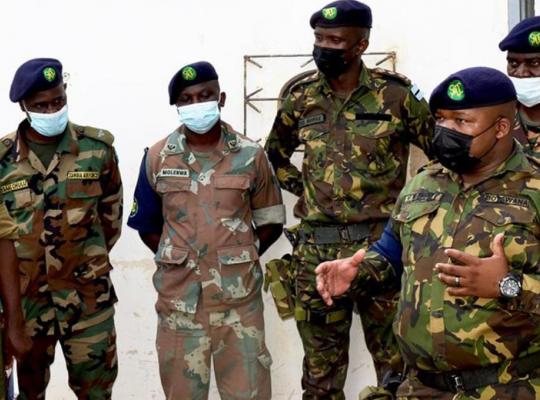
Read More Tweet!The Southern African Development Community (SADC) held the meeting of the Extraordinary Ministerial Committee of the Organ (MCO) Troika, plus Personnel Contributing Countries and the Republic of Mozambique on 3rd April, 2022 in Pretoria, Republic of South…
Read More Tweet!The Southern African Development Community (SADC) Secretariat in partnership with the Alliance for African Partnership (AAP) and the University of Botswana (UB) will on 4th to 5th April 2022 host a Youth Dialogue at the UB Conference Centre in Gaborone.…
Read More Tweet!The Regional Indicative Strategic Development Plan of SADC is a comprehensive 15–year strategic roadmap, which provides the strategic direction for achieving SADC’s long term social and economic goals. It also provides the SADC Secretariat and other SADC institutions with clear guidelines on SADC’s approved social and economic priorities and policies and therefore, enhancing their effectiveness in discharging their facilitating and coordinating role. It was approved by SADC Summit in 2003 and its effective implementation began in 2005.
The Revised Edition of the Strategic Indicative Plan for the Organ (SIPO II) provides a review of the first edition of the Plan. Based on the objectives and common agenda of SADC, the Strategic Indicative Plan for the Organ, first signed in 2004, provided general guidelines that spelt out specific implementation activities, in accordance with the objectives of the Protocol on Defense, Politics and Security Cooperation, and the strategies for their realisation, covering the Public Security, Political, Defence, and State security sectors.