
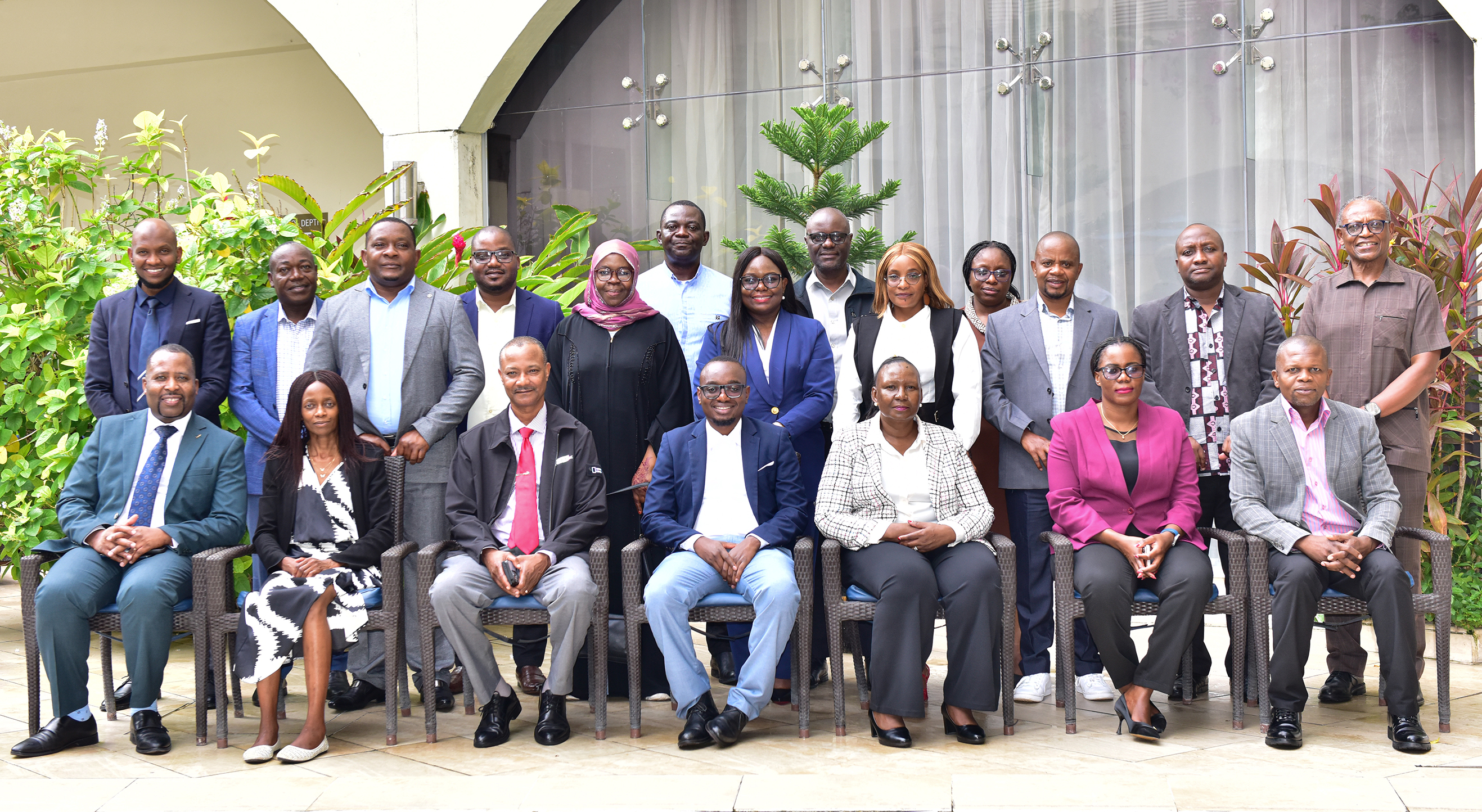
The Southern African Development Community (SADC), in collaboration with its Tripartite partners, the Common Market for Eastern and Southern Africa (COMESA) and the East African Community (EAC) has taken a significant step toward enhancing regional trade for small-scale cross-border traders. This follows the Tripartite Regional Technical Meeting on the pilot implementation of the Tripartite Simplified Trade Regime (TSTR), held in Dar es Salaam, United Republic of Tanzania, from 24-27 March 2026.
The meeting brought together trade and customs officials, Cross-Border Traders Associations (CBTAs), Joint Border Committees (JBCs) including immigration officials, as well as youth and women trader groups from the four pilot Member States participating in the TSTR namely; Malawi, Mozambique, Zambia and the United Republic of Tanzania. The engagement provided a platform to strengthen collaboration among participating Member States and formalise commitments toward piloting and operationalising the TSTR at selected border posts.
The Tripartite Simplified Trade Regime (TSTR), supported by the Alliance for a Green Revolution in Africa (AGRA), is designed to make cross-border trade more accessible, efficient and cost-effective, particularly for small-scale and informal traders, including youth and women. AGRA’s support focuses on simplifying border processes and procedures including documentation, strengthening border systems and promoting policies that enhance and increase opportunities for small scale cross border traders, most of whom concentrate on agricultural products. Given that most small-scale cross-border trade is agriculture-driven, these traders contribute approximately 43% of Africa’s official GDP, underscoring their vital role in regional economic growth.
As part of this initiative, AGRA is supporting efforts within the Tripartite region to scale up implementation of bilateral agreements already signed between and amongst the four pilot Member States. Further, the pilot project is envisaging supporting the signing of at least four bilateral Simplified Trade Regime (STR) agreements, thus advancing regional integration and trade opportunities.
The unified TSTR builds on existing Simplified Trade Regimes in COMESA, EAC and SADC, introducing a harmonised system with a common list of eligible products, simplified documentation and predictable procedures. This approach aims to reduce barriers to trade and improve efficiency at border posts across the Tripartite region.
Speaking during the meeting, Ms. Flavia Busingye, Director of Trade and Customs at the EAC and Chairperson of the Tripartite Task Force, emphasised the importance of aligning policies and institutional frameworks to support initiatives that promote trade and streamline regional trade rules. She reaffirmed commitment to working closely with partners and Member/Partner States to develop strategic interventions that empower small-scale traders, address inefficiencies and ensure seamless trade.
Ms. Balness Sumani, Senior Customs Officer at COMESA, highlighted the importance of harmonising and simplifying the TSTR. She underscored the responsibility of the Tripartite region to promote trade among small-scale traders and emphasised the value of shared learning experiences as partners refine the unified system to ensure equitable access to the benefits of the Tripartite Free Trade Area (TFTA).
Ms. Phemelo Maiketso, SADC Head of Gender, recognised the indispensable role of small-scale cross-border traders particularly women in sustaining livelihoods, strengthening food systems and driving intra-African trade. She called for accelerated implementation of the unified TSTR to support the objectives of the African Union Agenda 2063, including regional integration, infrastructure development and industrialisation.
On behalf of the host government, Ms. Flaviana Piloty Nyasebwa, Senior Economist at the Ministry of Foreign Affairs and East African Cooperation of the United Republic of Tanzania, highlighted the Tripartite Free Trade Area (TFTA) as a transformative initiative for the continent. She welcomed Tanzania’s nomination as a pilot country for the TSTR, emphasising the strategic importance of the Northern and Nacala Corridors as key trade routes and drivers of economic growth and regional connectivity.
Participants also discussed strategies to enhance TSTR implementation by building on existing STRs and addressing common challenges faced by traders, including complex procedures, long waiting times, excessive documentation and inconsistent border rules. The meeting further reviewed areas of divergence, assessed progress in existing STRs and developed recommendations to support TSTR integration.
Three border posts selected for pilot implementation are; Mwami-Mchinji (Zambia-Malawi), Mandimba-Chiponde (Mozambique-Malawi), and Kasumulu-Songwe (Tanzania-Malawi). These locations will serve as practical testing grounds for the unified TSTR framework and provide valuable experiences to guide broader regional rollout.


