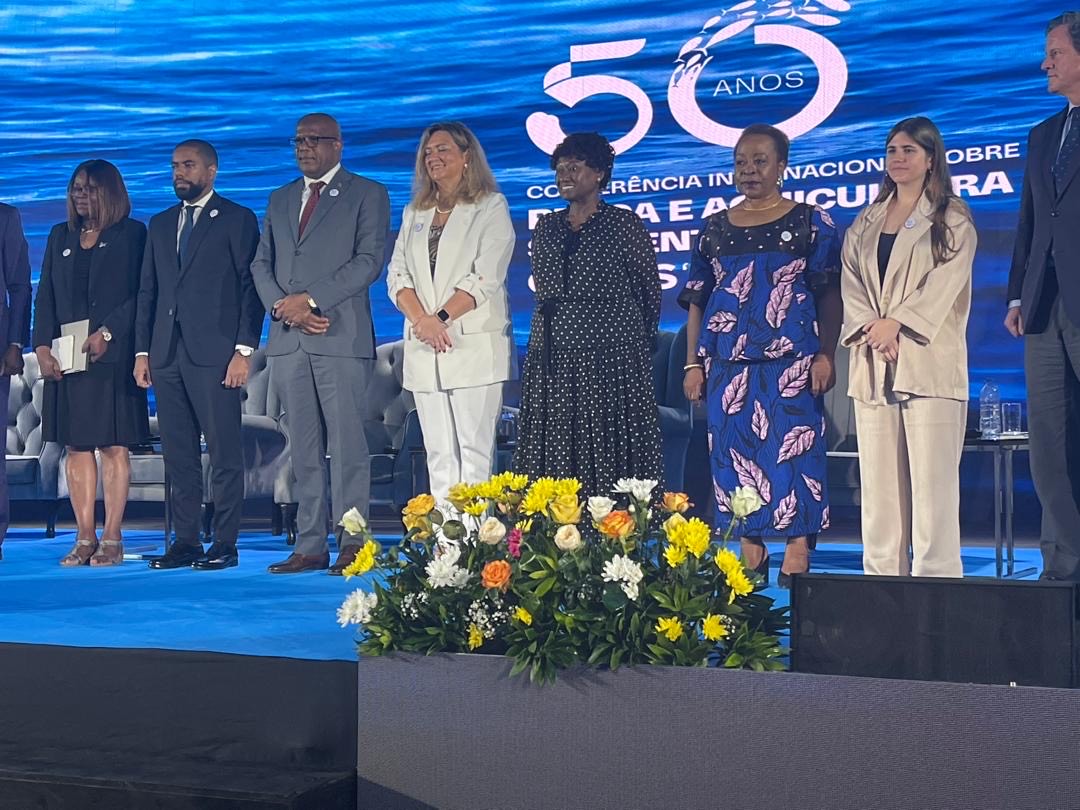
On 4th November, 2025, Angola welcomed regional and international leaders to the International Conference on Sustainable Fisheries and Aquaculture (CIPAS 2025), a significant event focused on promoting responsible fishing practices and sustainable aquaculture across Southern Africa. Under the theme "Responsible Fishing and Sustainable Aquaculture: a Challenge, a Commitment, a Mission Uniting the Nation," the conference highlights the country’s dedication to safeguarding marine resources while fostering economic growth.
The event was officially inaugurated by the Minister of State for Economic Coordination, Dr. José de Lima Massano. A key theme throughout the conference was the critical importance of regional collaboration — emphasizing that no single country can effectively manage shared marine resources in isolation. Angola’s leadership in hosting the event exemplifies regional solidarity and commitment to collective action.
The conference is part of the celebrations marking the country’s 50th independence anniversary and convened high-level officials from regional organizations, governments, international agencies, academia, and the private sector. SADC Deputy Executive Secretary for Regional Integration Ms. Angele Makombo N’Tumba, participated as a panellist during the plenary session on Sustainable Fisheries, Climate, and International Cooperation.
During her intervention, Ms. Makombo Ntumba highlighted the region’s rich marine ecosystems. “We are blessed with abundant marine ecosystems,” she stated. “But we face significant challenges—overfishing, illegal fishing, habitat degradation, climate change, and limited access to sustainable financing and technology threaten our marine ecosystems and economic future.” She mentioned that SADC Secretariat remains committed to supporting member states in these efforts, emphasizing that sustainable fisheries and aquaculture are key drivers of economic resilience, social inclusion, and environmental preservation in the Blue Economy.
The session also featured contributions from other distinguished officials, including Dr. Carmen Sacramento Nato, Angola’s Minister of Fisheries and Marine Resources, and Dr. Albano Vicente Lopes Ferreira, Minister of Higher Education. Representatives from Spain’s fisheries sector and international partners also engaged in discussions on fostering cooperation and implementing sustainable practices.
A core message of the conference was the need for inclusive governance—engaging local communities, fisherfolk, women, and civil society in decision-making processes. Building capacities and ensuring transparency are vital to managing marine resources sustainably and equitably.
As Angola hosts this momentous event, it not only celebrates its 50 years of independence but also signals a renewed regional commitment to harnessing the Blue Economy responsibly—particularly in aquatic food systems which are vital for food security and economic development.
As nations chart a course toward sustainable development, the message from CIPAS 2025 is clear: protecting marine ecosystems today is essential for ensuring prosperity for future generations. The Conference underscores the importance of regional cooperation, innovation, and inclusive governance in unlocking the full potential of Africa’s Blue Economy in particular fisheries.
SADC Secretariat is grateful to partners such as the German Federal Ministry for Economic Cooperation and Development (BMZ) through GIZ for their invaluable support in implementing the Global Programme Sustainable Aquatic Food as part of the Transformation of Agricultural and Food Systems in the Southern Africa region.


