The Republic of Angola has reaffirmed its commitment to accelerate the implementation of the Southern African Development Community (SADC) regional integration and development agenda by aligning its national development plans with regional strategies.
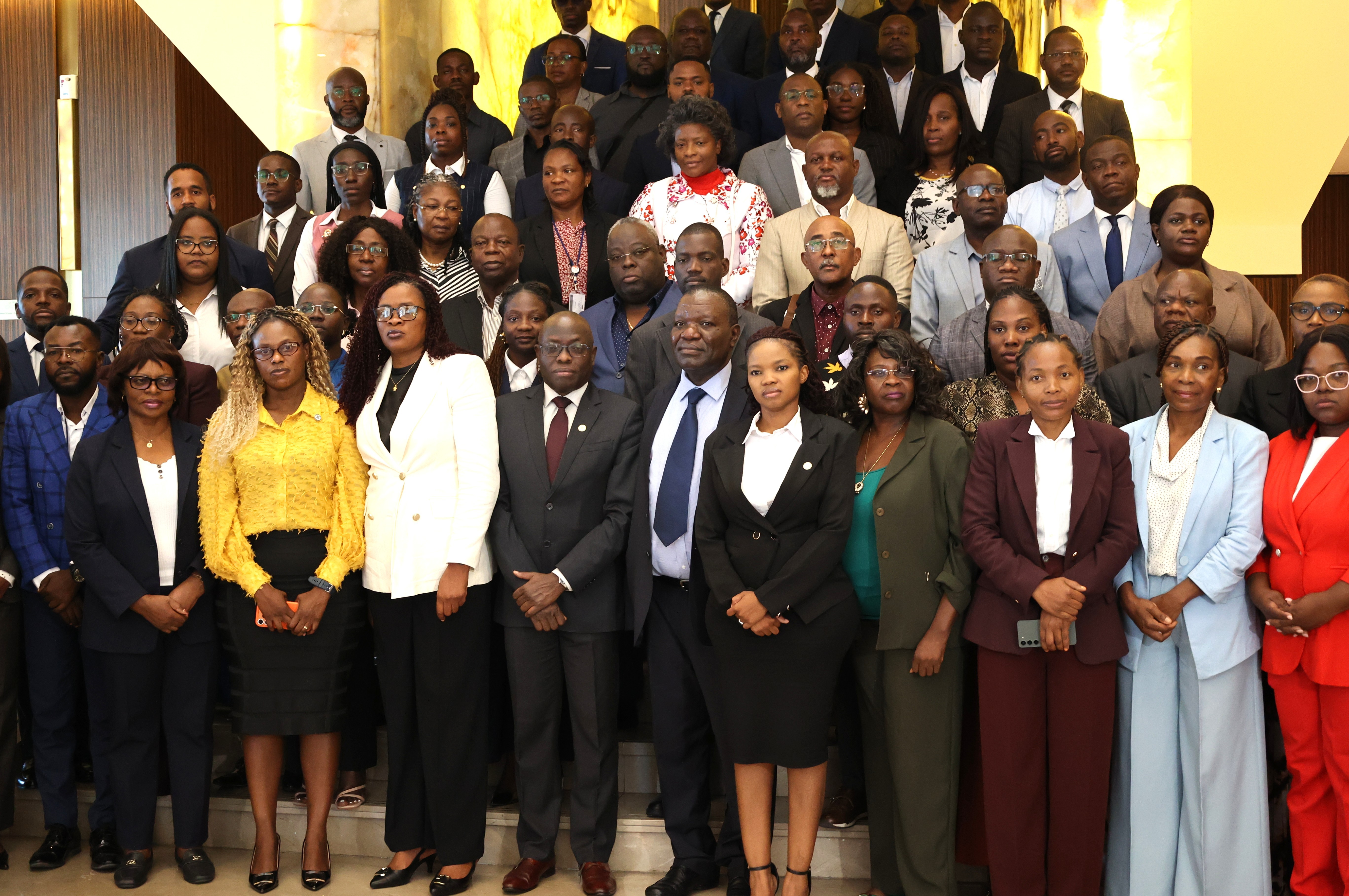
The SADC National Contact Point for Angola, Ambassador Flávia Lutucuta and the Director of Planning at the Ministry of Planning of the Republic of Angola, Mr. Adilson do Rosário da Silva, made the commitment at the end of four-day Capacity Building Workshop held from 20–23 April 2026 in Luanda.
The workshop was organised with support from the Federal Government of Germany through the Strengthening the National–Regional Linkages in SADC (SNRL) Programme, implemented by Deutsche Gesellschaft für Internationale Zusammenarbeit (GIZ) GmbH.
Angola reaffirmed its determination to strengthen national systems for aligning development policy measures outlined in the Angola National Development Plan (PDN) 2023–2027 and the long‑term “Angola 2050” Strategy with the SADC Regional Indicative Strategic Development Plan (RISDP) 2020–2030 and SADC Vision 2050. It was observed during the workshop that key national priorities and objectives spelt out in Angola’s development plans, such as economic diversification, sustainable growth, infrastructure development, and poverty reduction, are closely aligned with the RISDP 2020–2030 objectives.
Ambassador Lutucuta welcomed the convening of the workshop, noting that it provided a valuable platform for cross‑sector engagement, enhanced understanding of regional commitments, strategic alignment, and strengthened partnerships to improve the coordinated implementation and monitoring of the SADC regional integration agenda.
The workshop brought together over ninety participants from different Ministries, Departments, and Agencies responsible for implementing the priorities of the RISDP 2020–2030. The event was coordinated by Angola’s Ministries of Planning and External Relations.
Representing the SADC Secretariat, Mr. Dennis Rweyemamu, Senior Programme Officer for Policy and Strategy Development in the Directorate of Policy Planning and Resource Mobilisation, commended Angola for mobilising officials from different sectors of government. He emphasised that accelerating regional integration requires strong national frameworks for planning, coordination, resource mobilisation, implementation, monitoring, and knowledge sharing.
During the workshop, Mr. Robson B. M. Chakwana, Programme Manager of the SNRL Programme, presented key capacity‑building initiatives implemented for SADC Member States under the Programme. These initiatives include support for establishing and strengthening national coordination structures, peer review and learning mechanisms which are platforms enabling Member States to share best practices, identify success stories, and address bottlenecks in implementing the RISDP 2020–2030.
The workshop covered a wide range of topics, including: an overview of the SADC Regional Integration Agenda, the SADC Treaty, Vision 2050, and RISDP 2020–2030; key findings and lessons from the Mid‑Term Review of the RISDP 2020–2030; Coordination and tracking of Summit and Council decisions; Monitoring and evaluation of RISDP outcomes; Communication, awareness, and visibility of SADC programmes and initiatives; and SADC legal instruments (Protocols and Agreements), including challenges related to ratification, domestication, and rationalisation.
About the RISDP 2020-2050 and Vision 2050
The RISDP 2020-2050 and Vision 2050 are two strategic plans which seek to further deepen Southern Africa regional integration and foster development. The SADC Vision 2050 envisions a region that is peaceful, inclusive, competitive, middle-to-high income, and industrialised, where all citizens enjoy sustainable economic well-being, justice, and freedom.
Both RISDP 2020-2030 and Vision 2050 provide a guiding framework for the implementation of SADC’s regional integration and development agenda and programmes, covering six strategic priority areas namely:
1. The Foundation: Peace, Security, and Good Governance.
2. Pillar I: Industrial Development and Market Integration.
3. Pillar II: Infrastructure Development in Support of Regional Integration.
4. Pillar III: Social and Human Capital Development.
5. Cross-cutting issues including Gender, Youth, Environment and Climate Change, and Disaster Risk Management.


