The second phase of the project ‘Support Towards the Operationalization of the SADC Regional Agricultural Policy’ (STOSAR II) is a regional programme implemented by the Food and Agriculture Organization of the United Nations (FAO) in partnership with the Southern African Development Community (SADC), with financial support from the European Union (EU). The project runs from 2024 to 2028 and has a total budget of EUR 10 million, funded under the EU’s Development of Smart Innovation through Research in Agriculture (DeSIRA) programme.
STOSAR II builds on the achievements of the first phase of the project (2018–2024) and supports the operationalization of the SADC Regional Agricultural Policy (RAP) across the 16 SADC Member States. The programme strengthens institutional capacity, promotes regional integration and addresses key challenges affecting agricultural development, including climate change, transboundary pests and diseases, limited market access, weak value chains, and food and nutrition insecurity.
The project is aligned with continental and regional frameworks, including the Comprehensive Africa Agriculture Development Programme (CAADP) and the CAADP Strategy and Action Plan 2026–2035 (Kampala Declaration). Through coordinated regional action, STOSAR II contributes to sustainable agricultural growth, improved trade and market access, enhanced food and nutrition security, and more resilient agri-food systems in the SADC region.
STOSAR II is structured around five thematic areas, namely Agricultural Information Management Systems (AIMS), Market Access covering animal and plant health, and two new focus areas: Food and Nutrition Security and Value Chains.
Through these interventions, STOSAR II reinforces regional cooperation, supports policy implementation and contributes to the transformation of agriculture and food systems in Southern Africa, in line with SADC’s regional development objectives.
STOSAR II Project Components
- Agricultural Information Management Systems (AIMS)
Access to timely, reliable and harmonized agricultural data remains a key constraint to effective policymaking and planning across the SADC region. The Agricultural Information Management System (AIMS) platform, developed under STOSAR I, addresses this challenge by providing a regional platform that consolidates agricultural data and supports evidence-based decision-making at national and regional levels.
The AIMS platform integrates information on crop and livestock production, food and nutrition security, trade and related socio-economic indicators. Data supplied and validated by Member States ensures credibility, while standardized methodologies and strengthened interoperability enhance transparency, comparability and regional integration. Under STOSAR II, AIMS modules are being aligned with the Comprehensive Africa Agriculture Development Programme (CAADP) framework to ensure consistency with continental indicators, reporting requirements and investment planning processes.
Under STOSAR I, the regional AIMS strategy was endorsed, thematic modules were developed, pilot activities were implemented, and the platform was officially launched in September 2023. STOSAR II builds on this foundation by scaling up AIMS across all Member States, aligning national systems with the regional platform, strengthening technical coordination, improving data quality and visualization, and migrating to secure cloud-based infrastructure. AIMS continues to serve as a core regional public good underpinning all other STOSAR II components.
2. Market Access Component
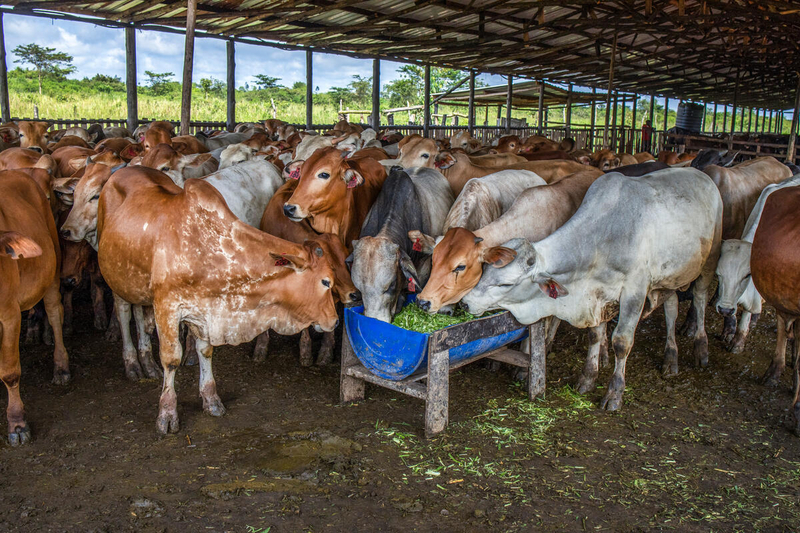
Animal Health: Livestock production is a major contributor to livelihoods, food and nutrition security and agricultural GDP in the SADC region, supporting approximately 100 million people. Despite the region’s strong resource base, access to regional and international markets continues to be constrained by trade-sensitive transboundary animal diseases, under-resourced veterinary services, and limited compliance with Sanitary and Phytosanitary standards.
During STOSAR I, important progress was made through the development of harmonized regional disease control strategies for priority transboundary animal diseases, including Foot and Mouth Disease (FMD), Highly Pathogenic Avian Influenza (HPAI) and Peste des Petits Ruminants (PPR). These efforts were complemented by strengthened regional surveillance and laboratory systems, promotion of Commodity-Based Trade, and enhanced SPS frameworks to support safer trade, thereby improving regional coordination and disease preparedness.
STOSAR II scales up these interventions by strengthening disease prevention and control, supporting domestication and implementation of the regional strategies for FMD, HPAI and PPR at national level, enhancing laboratory accreditation and surveillance systems, and promoting digital certification to facilitate trade. Close linkages with the Agricultural Information Management Systems, Plant Health and Value Chains components ensure an integrated regional approach to improving market access for livestock and livestock products.
Plant Health
Plant health is fundamental to food security, agricultural productivity and trade competitiveness in the SADC region. Crop pests and diseases continue to cause significant yield losses, increase production costs and restrict access to regional and international markets. Recurring and emerging threats, including tomato leafminer, fall armyworm, fruit flies, maize lethal necrosis disease, banana Fusarium wilt, pose ongoing risks to farmers’ livelihoods and regional food systems.
Under STOSAR I, Member States were supported to strengthen pest surveillance, diagnostics and management systems, develop harmonized regional strategies for priority transboundary plant pests, and improve compliance with international phytosanitary standards. These interventions enhanced regional coordination, strengthened national capacities and contributed to improved market access for agricultural products.
STOSAR II builds on these achievements by updating and expanding harmonized pest management strategies to address emerging and climate-related risks. In response to new and evolving threats, the project will support the development of a regional strategy to address emerging plant pests and diseases, including Goss’s wilt, while strengthening national capacities in diagnostics, surveillance, early warning and rapid response. Through the promotion of digital tools and electronic phytosanitary certification, and enhanced regional collaboration, STOSAR II aims to safeguard crop production, reduce losses and facilitate safe trade in agricultural products.
3. Food and Nutrition Security Component
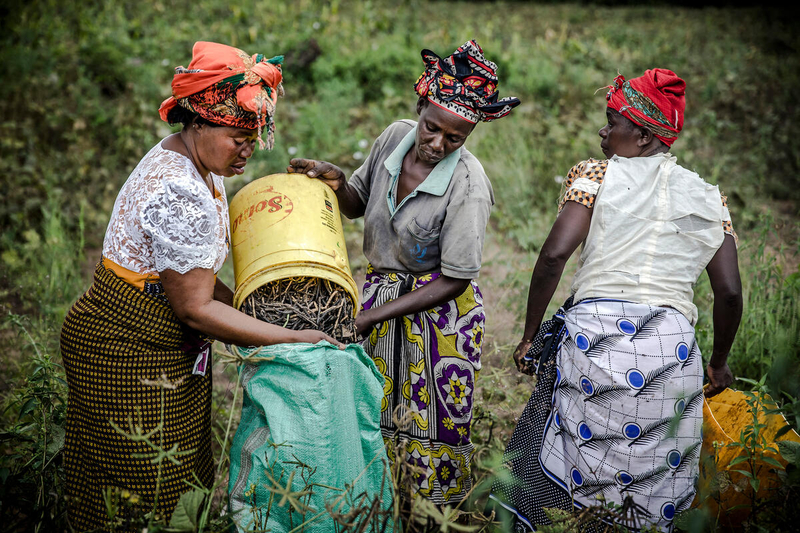
Food and Nutrition Security is a new thematic focus under STOSAR II, supporting the implementation and monitoring of the SADC Regional Food and Nutrition Security Strategy. Despite progress in agricultural production, many Member States continue to face acute food insecurity, child stunting and micronutrient deficiencies, alongside emerging nutrition challenges.
The component strengthens the generation and use of reliable food and nutrition data, including the development and use of Food Balance Sheets to improve assessment, monitoring and evidence-based decision-making. It promotes nutrition-sensitive agriculture, supports policy alignment across agriculture, food and health systems, and emphasizes indigenous and underutilized nutritious crops, strengthened monitoring systems and regional knowledge sharing.
By reinforcing links between agricultural transformation and nutrition outcomes, the Food and Nutrition Security component ensures that STOSAR II interventions translate into healthier diets, improved human development and more resilient food systems across the region.
4. Value Chains Component
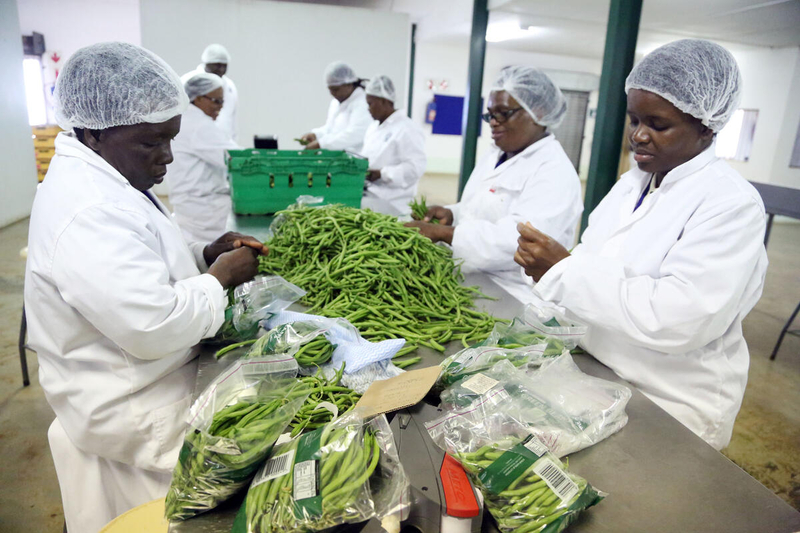
The Value Chains component is a new strategic area under STOSAR II, aimed at strengthening regional agricultural value chains to support inclusive, climate-relevant and sustainable growth. The component recognizes that agricultural transformation requires improvements across production, processing, value addition, trade and investment.
STOSAR II focuses on selected regional value chains in horticulture, livestock and cereals, with an emphasis on agro-ecological approaches, private sector engagement and inclusive participation of women and youth. The project strengthens institutional capacity, supports value chain analysis and planning, enhances producer and industry organizations, and promotes investment and innovation.
By addressing structural constraints across agri-food systems, the Value Chains component contributes to deeper regional integration, increased competitiveness and expanded intra-regional trade, reinforcing the broader objectives of the SADC Regional Agricultural Policy.