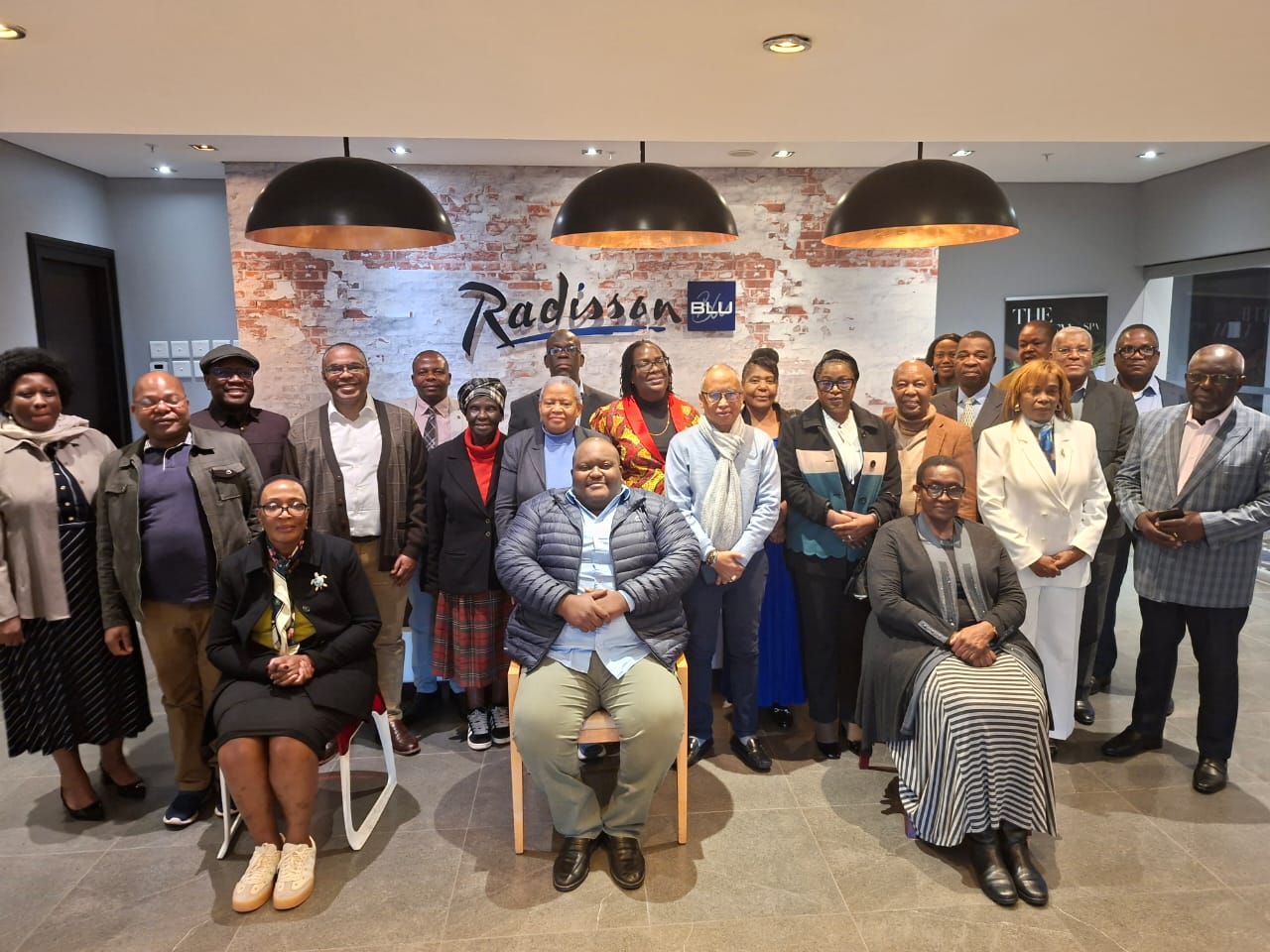
The Southern African Development Community (SADC) Mediation Reference Group (MRG) and the SADC Electoral Advisory Council (SEAC) convened the second Peer Exchange Workshop in Sandton, South Africa, from 20–21 June 2026.
The workshop brought together experts and practitioners to share lessons from electoral observation missions and address election-related conflicts experienced between 2023 and 2025. Discussions also examined the broader political and security landscape in the SADC region, with a focus on aligning electoral support with conflict prevention and mediation efforts.
Through dynamic dialogue and knowledge sharing, participants explored strategies to integrate advisory, technical, and diplomatic responses across the electoral cycle. These exchanges reaffirmed SADC’s commitment to peace, security, and democratic governance, guided by the SADC Principles and Guidelines Governing Democratic Elections.
Delegates emphasised that while elections are the cornerstone of democracy, they can also heighten political contestation and, in some cases, trigger instability. The workshop underscored the importance of proactive engagement, through early coordination, joint risk analysis, early warning systems, and integrated response frameworks, to prevent disputes and reinforce public confidence in electoral outcomes.
By promoting closer collaboration between SEAC and MRG, SADC is strengthening its ability to anticipate potential flashpoints, deploy timely interventions, and support peaceful resolution of disputes. This holistic approach reflects a growing recognition that electoral processes and conflict prevention are inseparable and must be addressed in tandem.
The SADC Secretariat reaffirmed its commitment to supporting Member States in upholding democratic norms, constitutional order, and peaceful political processes. This peer exchange marks a proactive step toward ensuring elections across the region are credible.
Member States were encouraged to continue working closely with SADC structures to enhance national capacities in election management, dialogue facilitation, and dispute resolution, further consolidating peace, stability, and democratic governance across Southern Africa.


