SADC Member States have reaffirmed the importance of adopting a common regional approach to the regulation of Commercially Produced Complementary Foods (CPCF) for children aged 6 months to 3 years, recognising the risks associated with inconsistent standards and the growing volume of cross-border trade in these products.
This commitment was reinforced during a Southern African Development Community (SADC) meeting held in Johannesburg, South Africa, from 1-2 June 2026. The meeting aimed to accelerate the harmonisation of standards for Commercially Produced Complementary Foods as part of broader efforts to address malnutrition in all its forms across the region. According to United Nations Children's Fund (UNICEF) in the SADC region about 23 million children suffer from stunted growth (stunting) and an estimated 49 million children are living in child food poverty (i.e they consume foods from fewer than five out of eight recommended food groups in a day) , this underscores the need for improved nutrition interventions.
The initiative to harmonise the regional regulatory framework was driven by the need to ensure product safety, nutritional adequacy, appropriate labelling and the protection and promotion of breastfeeding. It also seeks to mitigate risks associated with inappropriate product composition, misleading labelling, marketing practices and health claims, while addressing challenges arising from the increasing availability of CPCF products through foreign imports and cross-border trade.
The development of the Regional Standards for CPCF aligns with international provisions and guidance from the World Health Organization (WHO), Codex Alimentarius texts, and the nutrition and food safety priorities of the SADC region. The proposed SADC CPCF Standards are intended to provide a common regulatory reference for Member States, strengthen consumer protection, facilitate intra-regional trade and improve public health outcomes.
The meeting emphasised the importance of conducting a comprehensive stakeholder mapping exercise to ensure the full participation of all relevant stakeholders in the standards harmonisation process. The meeting also highlighted the need to establish a detailed and realistic timeline for standards development through the SADC Cooperation in Standardisation (SADCSTAN) processes.
As a way forward, the meeting resolved that work should commence immediately on the drafting of technical working documents. These documents will be submitted to health experts from SADC Member States for review by the end of July 2026. It is anticipated that the final standards will be submitted to the SADC Cooperation in Standardisation (SADCSTAN) before the end of October 2027.
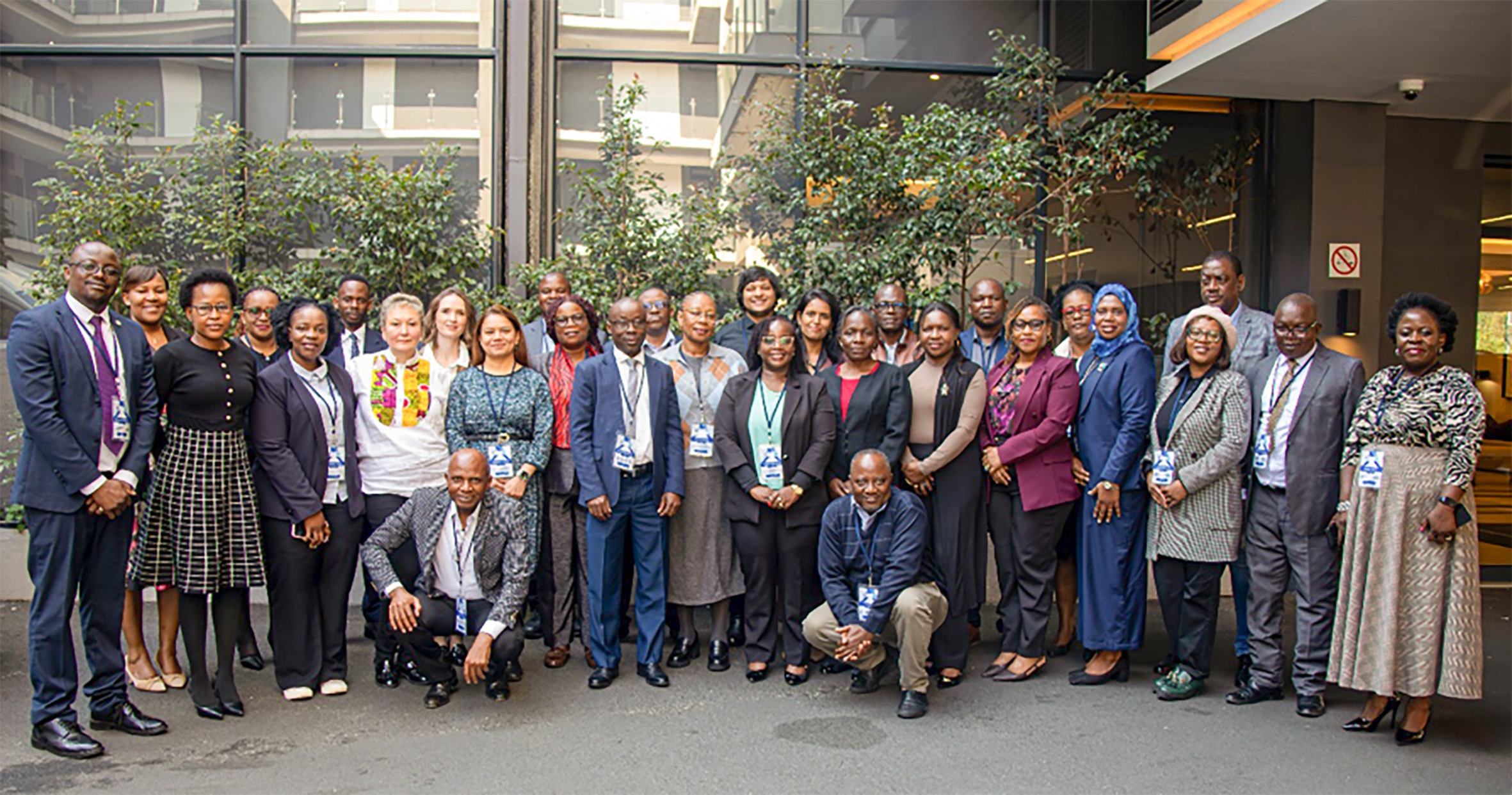
The meeting was attended by representatives from SADC Member States,SADC Secretariat , nutrition specialists from the United Nations Children's Fund (UNICEF), the East, Central and Southern Africa Health Community (ECSA-HC), as well as experts in standards development and technical regulation.


