In a major stride toward deepening regional integration and expanding intra-African commerce, the Southern African Development Community (SADC) Secretariat, in collaboration with national governments of Malawi, Mozambique, United Republic of Tanzania and Zambia, are rolling out a series of pivotal capacity-building and sensitisation workshops to operationalise the SADC Simplified Trade Regime (STR).
The targeted workshops are scheduled at key border corridors as follows:
Kasumulu/Songwe Border Post (United Republic of Tanzania and Malawi): 13–14 July 2026.
Nakonde/Tunduma Border Post (United Republic of Tanzania and Zambia): 16–17 July 2026.
Mwanza/Zobue Border Post (Malawi and Mozambique): 23–24 August 2026.
Organised by Directorate of Finance Investment and Customs (FIC) at the SADC Secretariat, alongside the governments of Malawi, Mozambique, United Republic of Tanzania, and Zambia, these sessions aim to bridge critical technical knowledge gaps and prepare border officials and traders for the formal introduction of the STR framework.
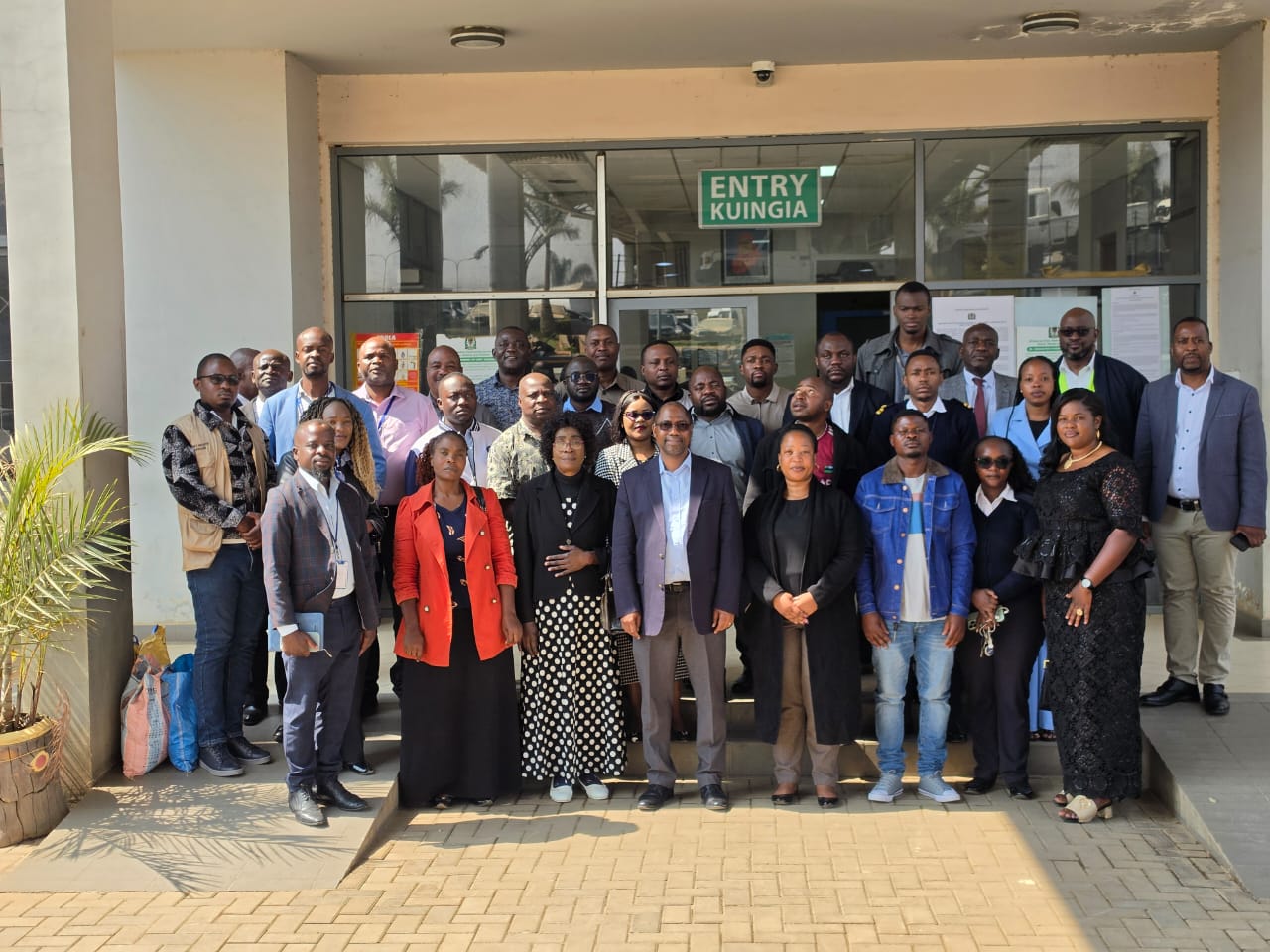
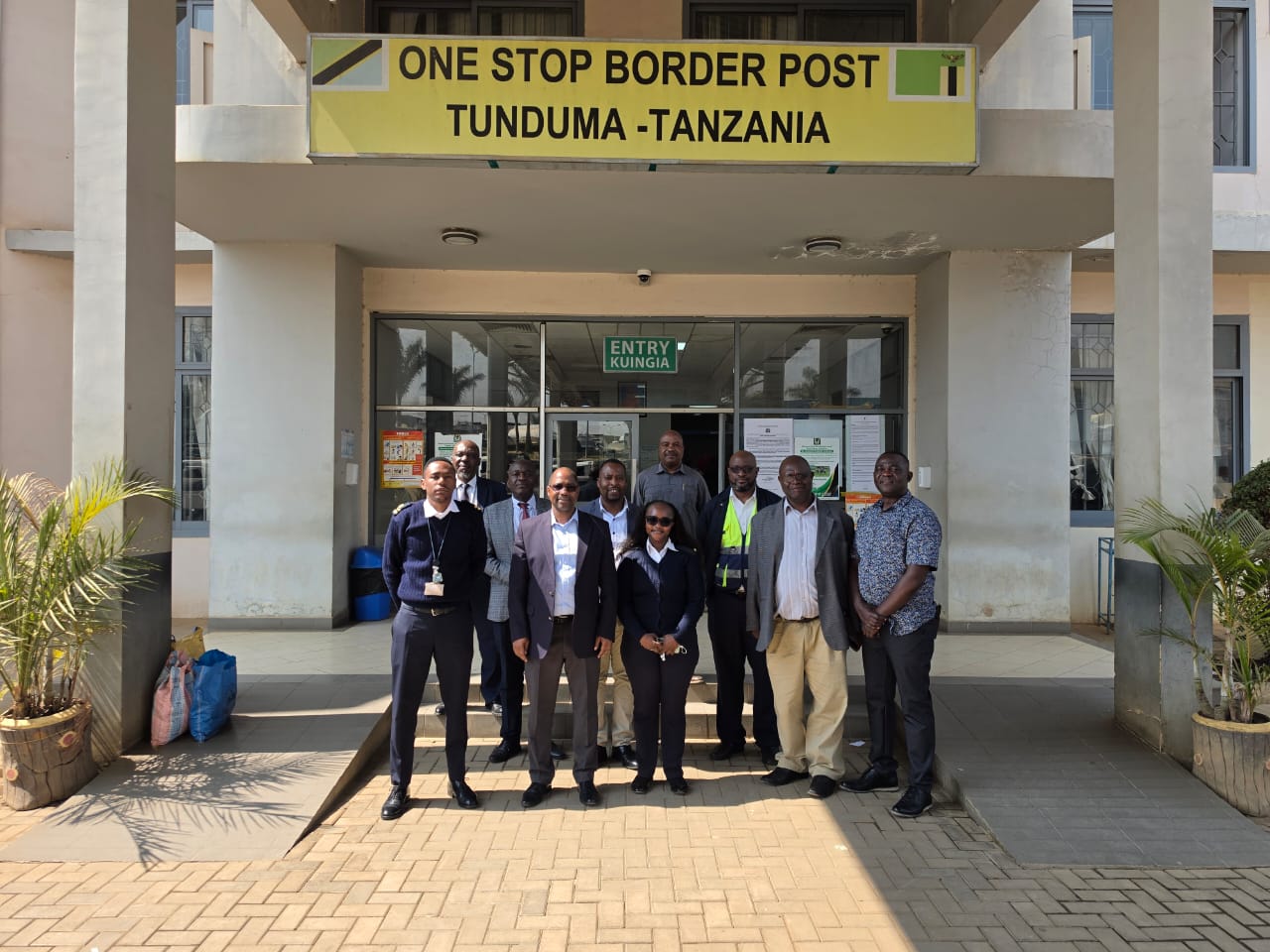
Speaking during the sensitisation workshop at Tunduma-Nakonde One Stop Border Post between United Republic of Tanzania and Zambia on 16 July 2026, Mr. Alcides Monteiro, Senior Programme Officer and Task Manager of the Trade and Transit Facilitation Project at the FIC Directorate, Customs Unit, informed the participants that the event is part of renewed commitment by participating Member States to accelerate the operationalization of the SADC STR Framework through closer collaboration among governments, customs authorities, the private sector, and development partners. He underscored the importance of the Simplified Trade Regime as part of the trade facilitation instruments designed mostly for small scale cross border traders (SSCBTs) including youth and women to benefit from the tariff preferences of the SADC Free Trade Area (FTA).
Under normal commercial trading rules, complex origin criteria and the necessity of official Certificates of Origin, often issued only in capital cities, make it difficult for small-scale traders.
The STR framework, therefore, solves this by introducing five core elements:
Bilateral Lists of Eligible Goods: These are bilaterally agreed-upon lists of originating products that qualify for duty-free and quota free status.
Value Thresholds: These are maximum consignment values bilaterally agreed (typically up to $1,000 or $2,000) allowed per crossing under the simplified rules.
Simplified Customs Document: This is a streamlined manual or electronic administrative declaration form.
Simplified Certificate of Origin: This is an easily accessible certificate issued to the trader directly at the border crossing.
Trade Information Desks (TIDs): These are dedicated border help desks staffed by Trade Information Desk Officers (TIDOs) to guide traders through compliance processes.
The key benefits of the STR Framework include empowering Women and Youth. By formalising and smoothing border crossings, the regime protects vulnerable traders from harassment and financial exploitation. In addition, the simplified documentation structure reduces average border clearance times, preserving the profit margins of small businesses dealing in perishable or small-volume merchandise. In addition, formalising previously unrecorded cross-border flows allows SADC Member States to accurately capture statistical trade data, guiding better mainstream macroeconomic policies. Furthermore, transitioning from informal "smuggling" to formal, recorded trade provides traders with legal protections and building blocks for financial inclusion, such as digital transaction records.
While a recent SADC-commissioned study noted high levels of general awareness of the "STR concept", significant capacity and information gaps remain regarding the specific operational framework of the SADC STR. A survey revealed that 90% of border agency respondents had never received formal training on implementing the SADC STR, and 73% lacked direct access to the relevant Common Lists of Products. Furthermore, 55% of small-scale traders admitted to not knowing which of their products qualified for duty exemptions.
The ongoing workshops directly target these weaknesses by training over 120 key stakeholders, including customs and regulatory border officials, Cross-Border Traders’ Associations (CBTAs), TIDOs, and border-domiciled small traders.
The core focus areas of the training include mastering SADC Rules of Origin, simplified customs valuation methods, and standard operating procedures for clearing low-value consignments. The training will also educate traders and desk officers on Sanitary and Phytosanitary (SPS) regulations and Technical Barriers to Trade (TBT) to ensure agricultural goods satisfy legitimate health and safety laws without causing border delays. The sessions are enhancing the capacities of border officials to recognize and eliminate safety risks specific to female traders, and promote the implementation of gender-sensitive border infrastructure, such as secure physical inspection areas and private sanitation. Last but not least, the training sessions are promoting the transition toward digital trade by building the skills required to utilize smartphone-based pre-clearance and mobile money platforms.
Malawi and the United Republic of Tanzania have negotiated an STR bilateral list covering 61 products with a $2,000 threshold, while Malawi and Mozambique have concluded an agreement covering 47 products with a $1,000 threshold. Zambia and United Republic of Tanzania also maintain a compatible 48-product bilateral framework.
It is worth noting that building upon individual REC STRs, the Member and Partner States of COMESA-EAC-SADC have established a Tripartite Free Trade Area (TFTA) comprising 29 countries. One of the key instruments currently being concluded is the Tripartite Simplified Trade Regime that is harmonising the already existing individual REC STRs. At the training workshops, participants have also been introduced to the TSTR, which will undertake capacity building activities at different pilot border posts involving Malawi, Mozambique, United Republic of Tanzania and Zambia. The activities include supporting the establishment of TIDOs to facilitate small scale cross border trade.
Following the conclusion of these border-level training workshops, the SADC Secretariat plans to convene a high-level Policy Dialogue Forum in Lusaka, Zambia, from 4 to 5 August 2026. The forum will gather government ministries, revenue authorities, and non-state actors to review the outcomes, finalize policy recommendations for the Committee of Ministers of Trade, and establish a long-term roadmap to ensure sustainable funding and expansion of Trade Information Desks across the entire region.