The Southern African Development Community (SADC) Ministerial Committee of the Organ (MCO) on Politics, Defence and Security Cooperation has endorsed a wide range of measures aimed at strengthening peace and security, promoting democratic governance, improving migration management, combating corruption and organised crime, and preserving the region’s liberation heritage.
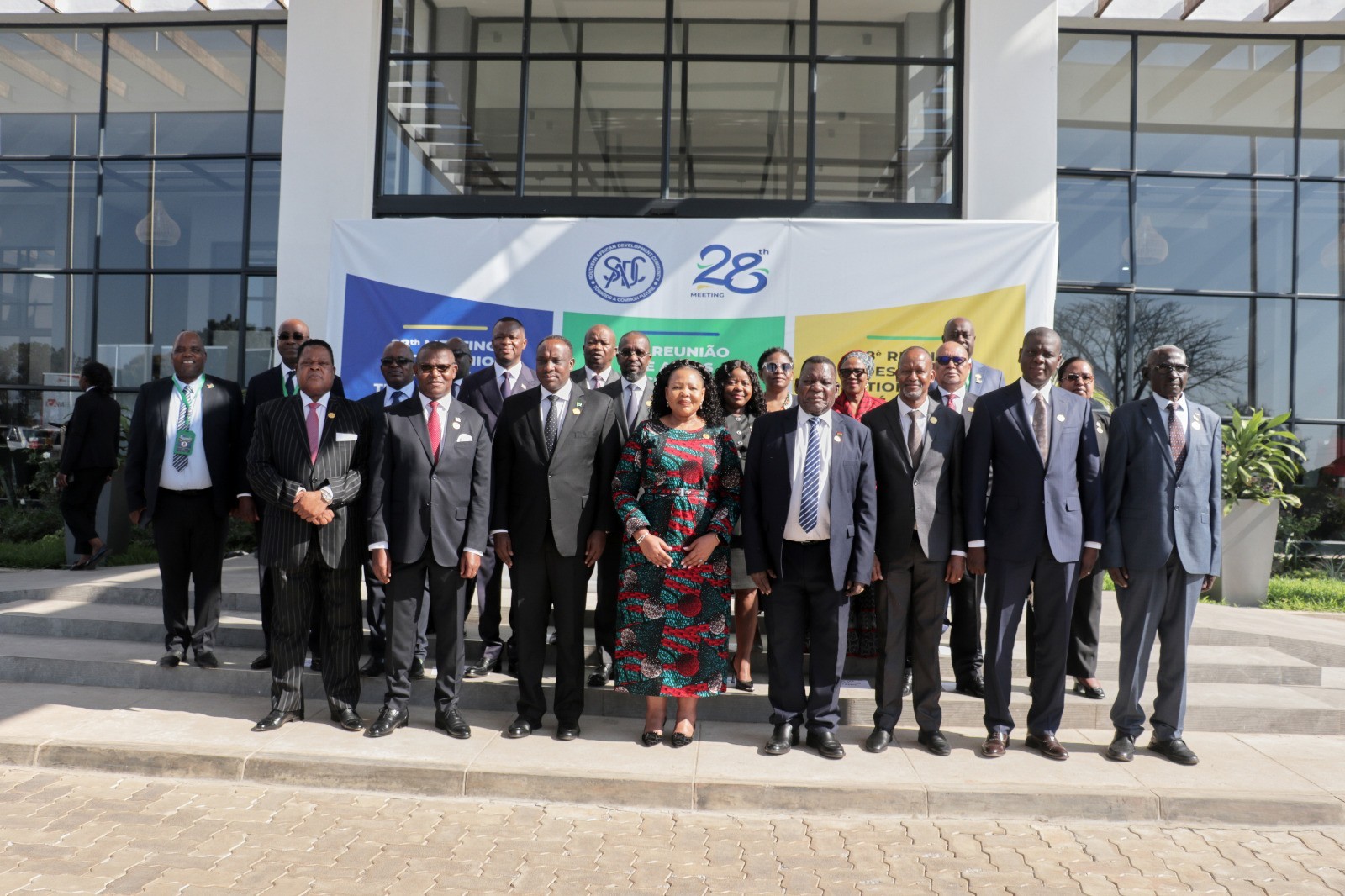
The decisions were adopted during the Committee’s 28th Session, held in Salima, Malawi, from 16–17 July 2026. During the meeting, ministers reviewed progress on key political, security and governance initiatives and reaffirmed SADC’s commitment to regional stability, integration and sustainable development.
Opening the session, Malawi’s Minister of Foreign Affairs and International Cooperation, Honourable Dr George Thapatula Chaponda, who is the current Chairperson of the Ministerial Committee, called on Member States to deepen regional cooperation and solidarity in addressing peace and security challenges. Referring to developments in the Democratic Republic of Congo (DRC), Madagascar and Mozambique, he emphasised the importance of dialogue, political commitment and collaboration among stakeholders to achieve lasting peace and improve the lives of affected communities.
SADC Executive Secretary, His Excellency Mr Elias Magosi, echoed these sentiments, noting that while SADC remains one of the continent’s most peaceful and resilient regions, emerging challenges require continued vigilance and collective action. He identified climate change, food insecurity, public health emergencies, terrorism, cybercrime and transnational organised crime as growing threats that demand stronger regional cooperation to safeguard peace and development gains.
Ministers highlighted mediation, conflict prevention, democratic governance, migration management, anti-corruption initiatives, counter-terrorism cooperation and humanitarian response as key pillars for building a safer, more prosperous and integrated SADC region.
On the situation in eastern Democratic Republic of Congo (DRC), ministers expressed concern over the deteriorating security and humanitarian situation while reaffirming their support for regional and continental peace initiatives. They called for enhanced coordination among all stakeholders involved in efforts to restore stability.
The Committee also conveyed its condolences to the Government and people of the DRC following the Ebola outbreak in the eastern part of the country, noting that recurring insecurity and public health emergencies continue to undermine peace building efforts despite ongoing diplomatic and mediation initiatives.
Regarding Madagascar, ministers encouraged all political actors to remain calm and continue resolving differences through dialogue and peaceful engagement. They welcomed preparations for the establishment of a SADC Liaison Office in the country, which is expected to strengthen mediation, reconciliation and peacebuilding efforts.
The Committee also commended former Malawian President Dr Joyce Banda for her leadership of the SADC Panel of Elders and her significant contribution to promoting national dialogue and reconciliation in Madagascar.
In Mozambique, ministers welcomed progress under the Inclusive National Dialogue process and applauded the signing of the Political Commitment for an Inclusive National Dialogue. They described the development as a significant step towards strengthening national unity, social cohesion and long-term stability.
Key Decisions and Endorsements.
The Committee:
reaffirmed its commitment to strengthening democratic governance across the region. Member States were encouraged to submit election observer nominations in a timely manner for elections scheduled under the 2026 SADC Electoral Calendar and to continue supporting the SADC Electoral Observation Mission (SEOM), which remains an important mechanism for promoting credible, transparent and democratic elections.
adopted the SADC Framework on Principles and Guidelines for the Adoption of Common Foreign Policy Positions. The framework is expected to strengthen coordination among Member States and enhance the region’s collective engagement on international issues.
endorsed and recommended to the SADC Council of Ministers the approval of the Draft Framework for Centres of Excellence on Good Governance, Human Rights and the Rule of Law, designed to strengthen institutions, promote knowledge-sharing and improve governance standards throughout the region.
recommended that the SADC Council of Ministers approve the revised Mediation, Conflict Prevention and Preventive Diplomacy Strategic Plan and extend its implementation to 2030 to align with the Regional Indicative Strategic Development Plan (RISDP 2020–2030).
reaffirmed the importance of preserving Southern Africa’s liberation heritage and recommended that the SADC Council of Ministers approve activities to commemorate Southern Africa Liberation Day on 23 March 2027. Member States were encouraged to continue honouring the contributions of liberation movements to freedom, regional unity and development.
endorsed revised activities under the Mechanism in Honour of the SADC Founders and promoted national commemorations throughout March to complement regional observances.
welcomed progress in the construction of the SADC Standby Force Regional Logistics Depot, a strategic facility designed to strengthen the region’s capacity to respond rapidly and effectively to peace and security threats, humanitarian emergencies and natural disasters. The depot will serve as a central hub for the storage, maintenance and deployment of equipment and supplies required for peace support operations, disaster response and other regional interventions undertaken by the SADC Standby Force.
noted that approximately 68 per cent of construction has been completed. Although adverse weather conditions and geological challenges have delayed implementation, ministers expressed confidence that the facility will significantly enhance the operational readiness, self-sufficiency and deployment capabilities of the SADC Standby Force once completed.
reaffirmed the important role of the SADC Standby Force as part of the African Standby Force architecture and commended Member States for their continued contributions to regional peace and security initiatives. They underscored the need to strengthen interoperability among military, police and civilian components, expand specialised training programmes and ensure sustainable financing for peace support operations.
emphasised that a fully operational logistics depot would improve the region’s ability to respond swiftly to emerging conflicts, terrorism, humanitarian crises and climate-related disasters, while reducing reliance on external logistical support and reinforcing SADC’s commitment to African-led solutions to African challenges.
expressed concern over delays in the entry into force of the Protocol on the Facilitation of Movement of Persons in the SADC Region. To date, 10 Member States have signed the Protocol and seven have ratified it, prompting ministers to urge the remaining countries to complete the ratification process. Under SADC rules, a protocol enters into force only after it has been ratified by at least two-thirds of Member States and the instruments of ratification have been deposited with the SADC Secretariat. With SADC comprising 16 Member States, a minimum of 11 ratifications is required for the Protocol to become legally binding and operational. With seven ratifications secured so far, ministers called for accelerated ratification to unlock the benefits of easier movement of people, increased trade, tourism and deeper regional integration.
reviewed progress on the SADC UNIVISA initiative, which aims to simplify travel, boost tourism and strengthen regional integration through a single regional tourist visa. Ministers encouraged participating countries, Angola, Mozambique, Namibia, South Africa and Zimbabwe, to accelerate visa harmonisation efforts, finalise revenue-sharing arrangements and complete technical preparations for the pilot phase. Once operational, the UNIVISA is expected to facilitate seamless cross-border travel, support multi-destination tourism and contribute to economic growth across the region.
identified corruption as a major enabler of organised criminal activity and endorsed stronger accountability measures across governance and law-enforcement institutions. Progress under the SADC Anti-Corruption Strategic Action Plan (2023–2027) showed a 34 per cent increase in corruption cases reaching prosecution and trial, while recovered illicit assets increased by 44 per cent to approximately US$268 million. The value of investigated financial crime cases reached US$1.05 billion, reflecting growing investigative and enforcement capacity across the region.
approved the SADC Anti-Corruption Effort Index (SACEI) Manual and supported a review of the SADC Protocol Against Corruption to address emerging threats, including cyber-enabled corruption, virtual assets, artificial intelligence and private-sector corruption.
endorsed measures to combat illicit firearms trafficking, human trafficking, migrant smuggling, illegal mining, wildlife trafficking and cybercrime.
Reviewing the broader regional outlook, ministers identified climate-induced food insecurity, unemployment, poverty, public health pressures and geopolitical instability as major challenges facing the region. They called for accelerated industrialisation, increased value addition, expanded intra-regional trade and reduced dependence on external markets.
Particular emphasis was placed on developing a regional strategy for critical minerals such as lithium, cobalt and nickel, recognising their growing importance for industrial development and the global energy transition.
The Committee also endorsed measures to strengthen regional resilience against terrorism and violent extremism, including the establishment of National Counter-Terrorism Centres, enhanced intelligence-sharing, specialised training programmes and closer cooperation among security agencies. Ministers stressed that all counter-terrorism efforts must continue to uphold human rights, democratic principles and the rule of law.
The outcomes of the 28th Session of the Ministerial Committee of the Organ reflect SADC’s strong commitment to deepening regional cooperation and addressing emerging challenges through collective action. The decisions adopted demonstrate a comprehensive agenda focused on preserving peace, strengthening democratic governance, promoting economic resilience, enhancing regional integration and advancing sustainable development for the people of Southern Africa.


