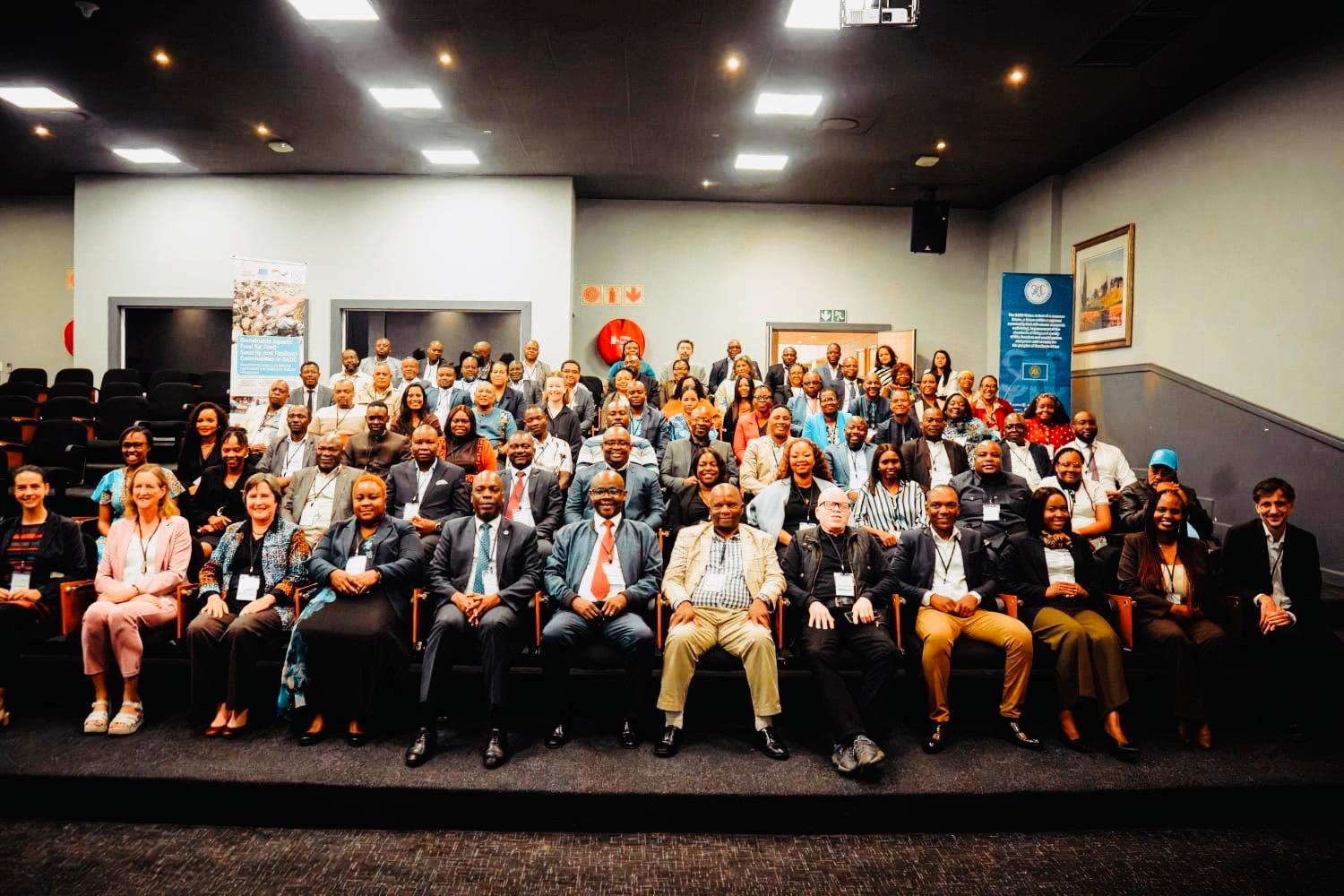
The Southern African Development Community (SADC) Secretariat, in collaboration with the Deutsche Gesellschaft für Internationale Zusammenarbeit (GIZ), is convening a Regional Consultative and Validation Workshop from 23 to 27 November 2026 in Johannesburg, South Africa, to review and validate key regional fisheries and aquaculture policy instruments.
The workshop brings together representatives from SADC Member States, small-scale fisheries organisations, regional and international institutions, development partners, and technical experts. It builds on national stakeholder consultations held in Angola, Zambia, South Africa, and Madagascar, as well as online engagement with other Member States.
The workshop focuses on three interrelated policy instruments: the SADC Policy Paper on the World Trade Organization (WTO) Agreement on Fisheries Subsidies; the Situation Analysis Report and Regional Plan of Action for the Implementation of the Voluntary Guidelines for Securing Sustainable Small-Scale Fisheries; and the revised SADC Regional Aquaculture Strategy and Action Plan (2026–2036).
Officially opening the workshop, Mr Asanda Njobeni, representing the Republic of South Africa and SADC Chair, emphasised the importance of collective action to advance responsible fisheries management and sustainable aquaculture development.
The Director of Food, Agriculture and Natural Resources (FANR) at the SADC Secretariat, Mr Fahari Marwa, underscored the importance of regional cooperation in translating policy commitments into practical actions. He highlighted that these instruments advance the implementation of the SADC Protocol on Fisheries and respond to SADC Ministerial decisions.
The Senior Policy Officer at the German Federal Ministry for Economic Cooperation and Development (BMZ), Ms Wencke Müller-Rilke, reaffirmed Germany’s continued support for promoting sustainable blue foods, strengthening small-scale fisheries, and safeguarding the rights of small-scale fishers. Ms Filipa Corte Real, Programme Officer at the European Union’s Regional Partnership Unit, reiterated the European Union’s commitment to the development of sustainable blue foods.
The workshop aims to strengthen Member State ownership, promote inclusive fisheries governance, and identify practical implementation pathways. The validated documents are expected to be presented to the SADC Technical Committee on Fisheries in March 2027 for consideration, with a subsequent recommendation for Ministerial approval.
The initiative is supported through the Global Programme Sustainable Aquatic Food, implemented by GIZ, funded by the German Government and co-funded by the European Union.


