
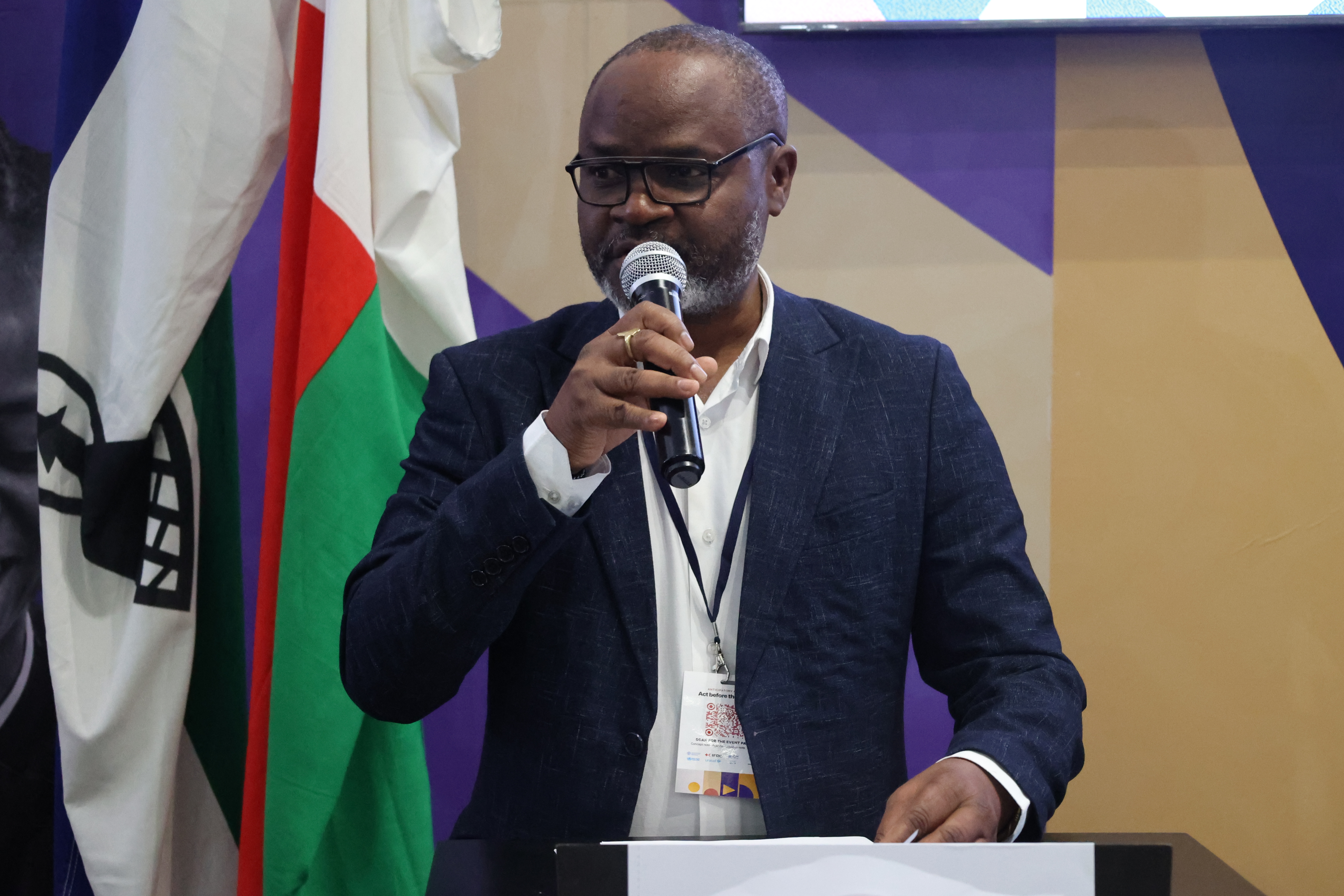
The Southern African Development Community (SADC) concluded its Regional Disaster Preparedness and Response Planning Workshop on 23 October 2026 in Johannesburg, South Africa. The four-day workshop was held under the theme, “From Forecast to Consequence: Anticipating the Cascading Impacts of El Niño 2026/27 in Southern Africa.”
Convened by the SADC Secretariat in collaboration with the European Union, through the European Commission’s Directorate-General for European Civil Protection and Humanitarian Aid Operations (DG ECHO), and the Regional Anticipatory Action Working Group (RAAWG), and hosted by the Government of South Africa, the workshop focused on translating forecasts and early warnings into timely interventions to protect vulnerable communities and livelihoods. Participants reviewed regional preparedness gaps, contingency planning, resource mobilisation and coordination mechanisms, drawing lessons from the 2023/24 El Niño season, when funding delays, inadequate supplies and slow response mechanisms constrained interventions despite accurate forecasts. During that season, only 17 per cent of the US$6.5 billion appeal was mobilised.
The workshop achieved several key milestones, including validation of the SADC Multi-Hazard Regional Anticipatory Action Framework 2026–2030, the SADC Humanitarian and Emergency Operations Centre (SHOC) Regional Prepositioning Strategy and the 2026/27 Regional Multi-Hazard Contingency Plan. Participants also identified sectoral preparedness priorities and developed a regional roadmap for coordinated preparedness and anticipatory action. The workshop resolutions will be presented to SADC Ministers responsible for disaster risk reduction in November 2026 for approval.
The deliberations emphasised strengthening multi-hazard early warning systems, improving risk information, clarifying operational responsibilities and securing timely financing. Funding remains the main gap, with most anticipatory actions planned for the season still unfunded. Participants called for contingency plans to be costed and backed by pre-arranged financing and pre-agreed triggers, with ministries of finance directly involved in preparedness planning. Participants also underscored the importance of inclusive preparedness that addresses the needs of women, children, older persons, persons with disabilities and communities in high-risk areas.
Officially closing the workshop on behalf of the SADC Chairperson, South Africa, Ms Pumeza Tyali of the National Disaster Management Centre (NDMC) noted that preparedness remained the region’s most effective investment and that the outcomes of the workshop provided a clear roadmap for enhancing readiness at national and regional levels. She urged participants to ensure that the commitments made were translated into concrete actions, strengthened partnerships and measurable improvements in preparedness capacity.
Delivering closing remarks on behalf of the SADC Secretariat, the Director of SHOC, Dr Anderson Banda, emphasised that preparedness was a continuous process requiring collaboration, planning, investment and action. The Director stressed that the success of the workshop would be measured by how effectively the validated plans were implemented, resources mobilised and early warnings translated into practical interventions. He further reaffirmed the Secretariat’s commitment to supporting Member States through enhanced regional coordination, information sharing, preparedness planning and emergency response coordination.
Speaking on behalf of the European Union, Mr Pablo Torrealba of DG ECHO congratulated Member States and regional partners on the work done before and during the workshop. He thanked partners for recognising ECHO for its financial and technical support, noting that rather than convening its own preparedness workshop as in previous years, ECHO had chosen to support a SADC-led process that is “much bigger than us”.
Speaking on behalf of RAAWG, Dr Lewis Hove of the Food and Agriculture Organization of the United Nations (FAO) noted that the region now had a full set of tools to act before hazards strike, built around the contingency plans developed by Member States. He confirmed that RAAWG partners would work with Member States to follow up on the commitments made, and urged all actors to ensure that help arrives before the impacts of the season.
The workshop reinforced the importance of regional solidarity and collective responsibility in managing disaster risks. As the region prepares for the 2026/27 rainfall season, SADC and its partners are expected to translate the commitments made into concrete action to strengthen resilience, protect livelihoods and ensure that no community is left behind.


