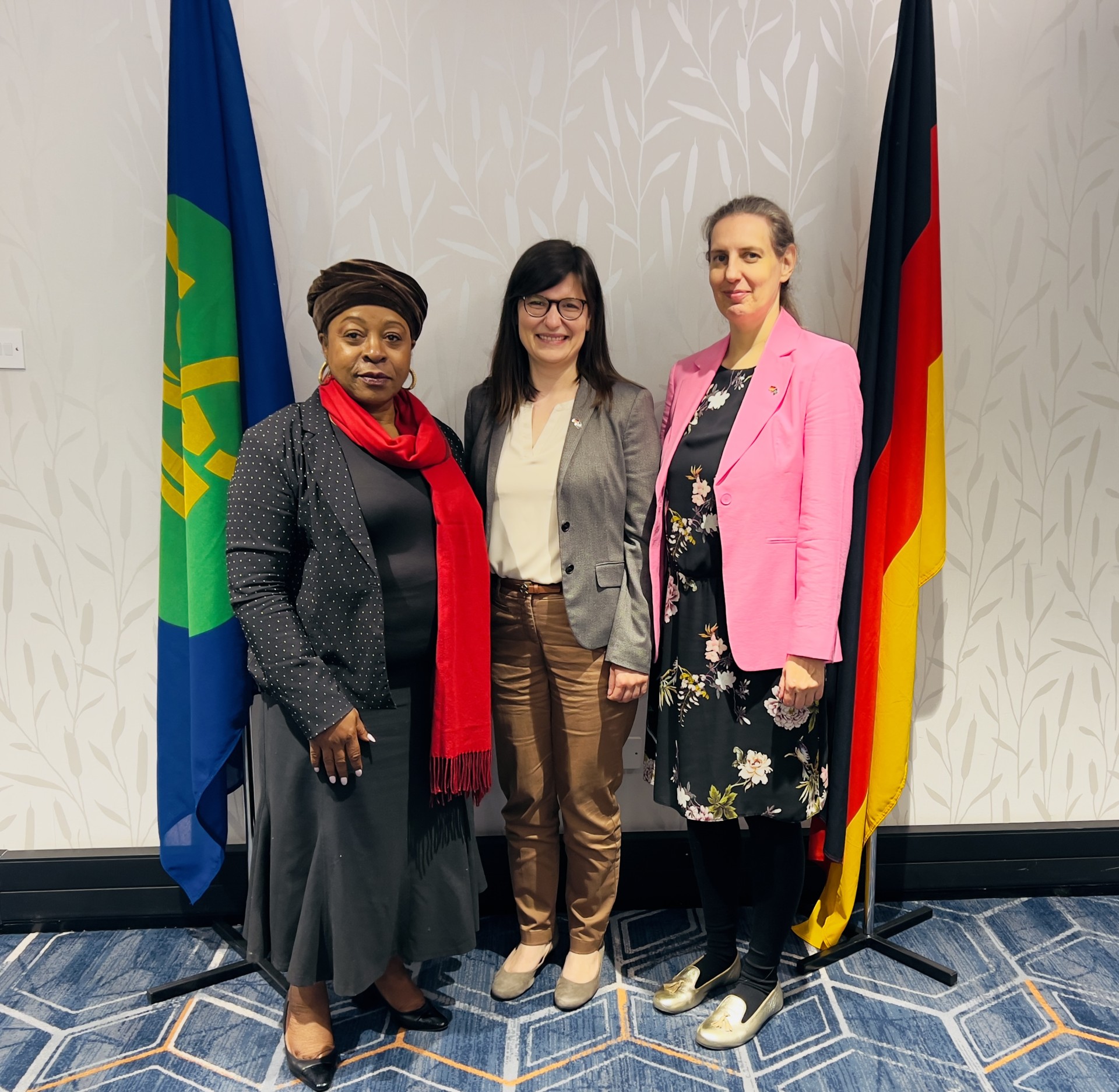
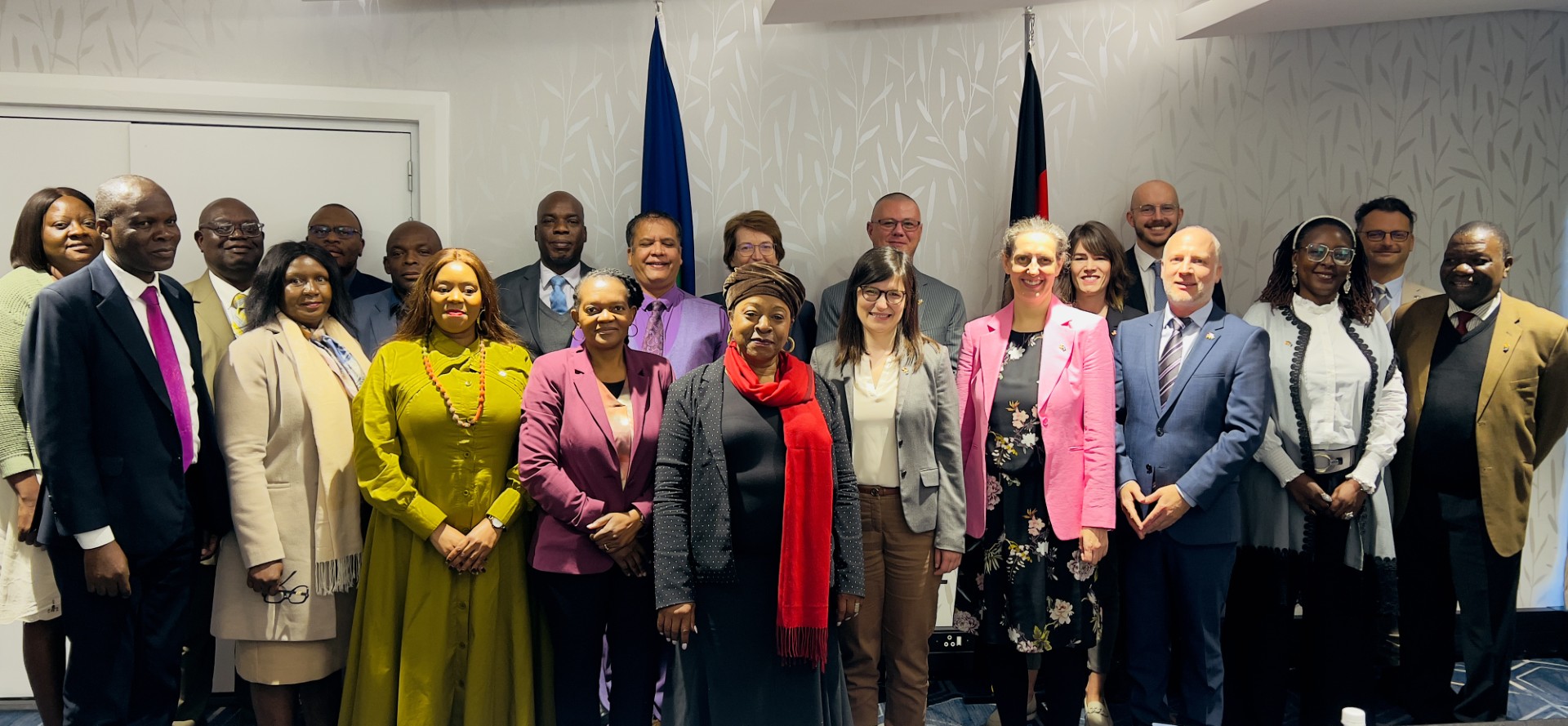
The Southern African Development Community (SADC) and the Federal Republic of Germany have reaffirmed their enduring partnership as preparations intensify for the 2027 Bilateral Negotiations. Meeting in Gaborone, Botswana, on June 3, 2026, both sides underscored their determination to drive regional integration, deepen cooperation, and strengthen resilience in the face of mounting global economic and geopolitical challenges.
SADC Deputy Executive Secretary for Regional Integration, Ms. Angéle Makombo N'Tumba, emphasized that the region’s priorities remain firmly anchored in Vision 2050 and the Regional Indicative Strategic Development Plan (RISDP 2020–2030). She highlighted industrialisation, infrastructure, human capital development, and crosscutting issues such as gender, youth, climate change, and disaster risk management as guiding pillars. “Our regional agenda is built on peace, security, and democratic governance,” Ms. Makombo N'Tumba affirmed, noting that the recently concluded Medium-Term Review of the RISDP seeks to accelerate delivery while safeguarding core priorities.
Representing Germany, Ms. Johanna Hauf, SADC Focal Point at the German Federal Ministry for Economic Cooperation and Development (BMZ), reaffirmed Germany’s commitment to Africa’s Agenda 2063 and the UN Sustainable Development Goals. “Germany remains a reliable partner, even in times of economic uncertainty and geopolitical tension. Our cooperation with SADC reflects our belief in regional solutions to global challenges,” she stated. Germany’s priorities include tackling poverty and inequality, safeguarding rule of law and civil society, advancing sustainable peace and security, and enabling inclusive economic growth.
Both parties confirmed continued collaboration in Regional Economic Integration and Transboundary Natural Resources Management. Proposed interventions for 2027 include the Cooperation for the Enhancement of SADC Regional Economic Integration (CESARE) programme, which will advance trade integration, regional value chains, and industrialisation while promoting women’s economic empowerment and good governance. Other initiatives include Quality Infrastructure for Trade and Consumer Protection II, aimed at harmonising standards and strengthening consumer safeguards, and the Project Preparation and Development Fund (PPDF), designed to support bankable infrastructure projects.
Environmental sustainability remains central to the partnership, with initiatives such as the Transfrontier Conservation Area Facility IV (KAZA IV TFCA), and the Climate Resilience and Natural Resources Management Programme. Emerging priorities include peace and security, gender mainstreaming, communication and visibility, and the establishment of a Climate Fund Facility to expand Member States’ access to climate finance.
The meeting also reaffirmed support for the SADC National Regional Linkages (SNRL) programme, which is designed to align national development strategies with regional priorities. By strengthening coherence and accelerating implementation, the programme aims to ensure that regional commitments translate into tangible national benefits.
Ms. Makombo N'Tumba expressed gratitude for Germany’s continued support, stressing that dialogue and diplomacy remain critical in navigating global tensions. Both parties reaffirmed their shared vision: ensuring that the 2027 Negotiation Cycle delivers meaningful impact for regional integration, poverty eradication, and sustainable development.