
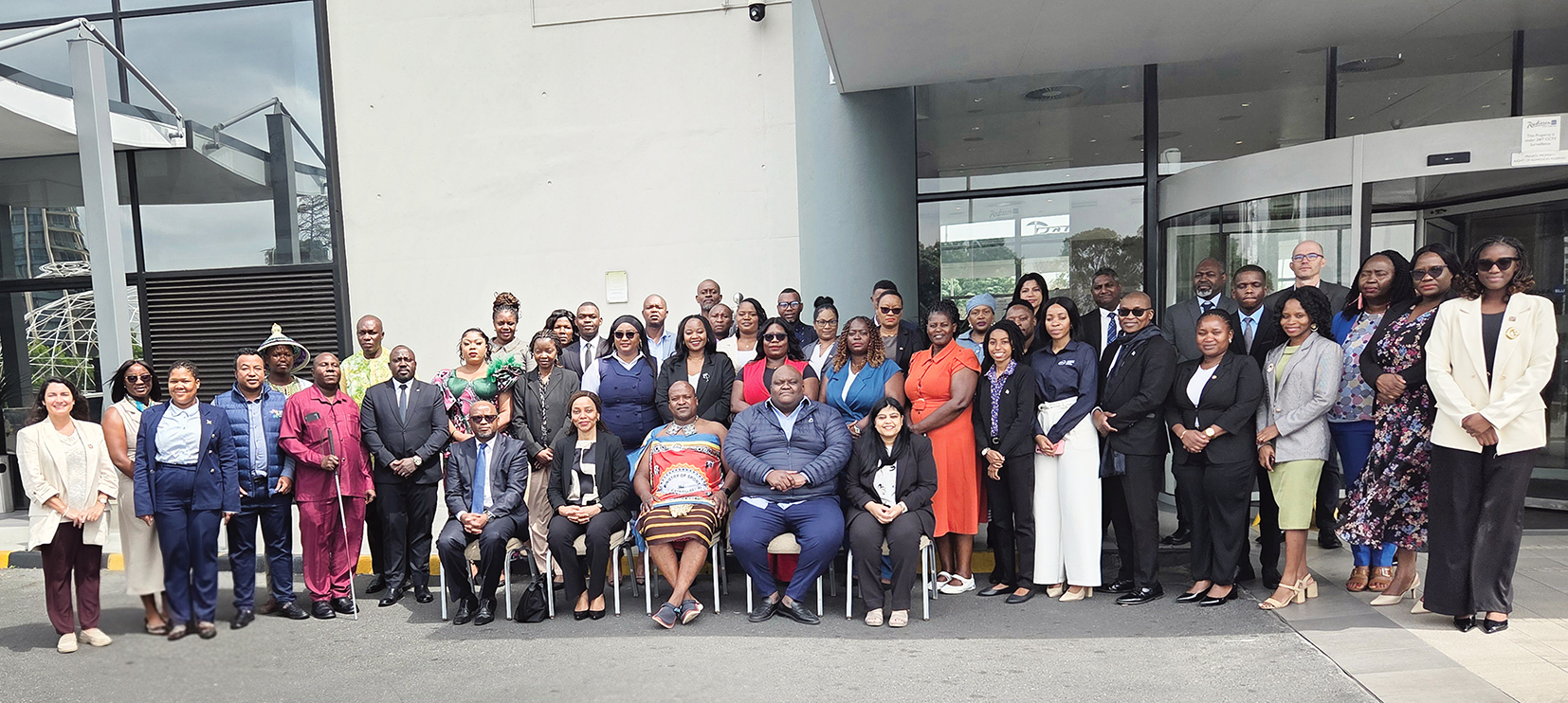
Member States of the Southern African Development Community (SADC) convened in Johannesburg, Republic of South Africa, from 5 to 7 October 2026 to finalise and validate the SADC Regional Strategy on Youth, Peace and Security (YPS) Agenda. The validation exercise was conducted through collaboration between the SADC Secretariat, the United Nations Development Programme (UNDP), and the African Centre for the Constructive Resolution of Disputes (ACCORD).
The SADC Regional YPS Strategy (2026–2036) provides a comprehensive regional framework that positions young women and men as active partners in conflict prevention, peacebuilding and sustainable development. The Strategy reflects the commitment of SADC Member States to advancing the YPS Agenda through a coordinated regional approach that is grounded in regional priorities and responsive to the aspirations, experiences and realities of young people across Southern Africa.
The Strategy seeks to further institutionalise meaningful youth participation in governance, peacebuilding and security processes throughout its implementation period. Through the development and implementation of Youth, Peace and Security National Action Plans (YPS NAPs) by Member States, the Strategy aims to create an enabling environment in which young people are not only protected from violence, exclusion and marginalisation, but are also empowered to contribute meaningfully to building and sustaining a peaceful, prosperous and integrated Southern Africa.
Speaking during the opening session, Mr. Mzwandile Mthethwa, Under Secretary in the Ministry of Sports, Culture and Youth Affairs of the Kingdom of Eswatini, representing Eswatini in its capacity as Chair of the SADC Organ on Politics, Defence and Security Affairs, commended Member States for the progress made towards strengthening the participation of young people, women and girls in peace and security processes.
Mr. Mthethwa welcomed the validation of the Regional YPS Strategy and emphasised the importance of ensuring the meaningful and active participation of young people in peace and security processes, particularly in conflict prevention and resolution. He noted that the Strategy's priorities and interventions had been informed by extensive consultations with relevant stakeholders, ensuring that the framework responds to the needs and aspirations of young people across the region.
He further underscored the critical role of young people in shaping the region's peace and security landscape, noting that their voices, perspectives, insights and creativity are invaluable in building more peaceful, inclusive, resilient and cohesive societies.
For his part, Mr. Terry Rose, SADC Senior Officer for Politics and Diplomacy, emphasised the importance of ensuring that the validation process remained firmly anchored in the Southern African context, while ensuring that no young person is left behind. He highlighted the significant potential of the region's youthful population, particularly its capacity to serve as a positive force for change and contribute to the achievement of regional peace, security and sustainable development.
Also speaking at the meeting, Mrs. Gloria Kiondo, Deputy Resident Representative of the United Nations Development Programme (UNDP) in South Africa, and Ms. Marisha Ramdeem, Programme Coordinator at the African Centre for the Constructive Resolution of Disputes (ACCORD), reaffirmed the importance of recognising young people as partners in peacebuilding.
They underscored the need to link the YPS Agenda with complementary priorities, including the Women, Peace and Security Agenda, inclusive governance and climate security. They further emphasised that security responses alone cannot deliver lasting peace, noting that sustainable peace requires inclusive development, responsive institutions, social cohesion, meaningful opportunities for youth participation and a strengthened social contract.
The meeting featured intensive deliberations, presentations and plenary discussions, providing participants with an opportunity to examine key challenges affecting young people and their implications for peace and security in the region. These included political violence, social and economic exclusion, unemployment and substance abuse.
Participants also underscored the importance of promoting dialogue and peaceful resolution of disputes at national level, as well as strengthening opportunities for regional youth exchange programmes to foster greater understanding, solidarity and cooperation among young people across SADC Member States.
The priorities of the Regional Strategy are informed by extensive consultations with SADC Member States, civil society organisations, youth-led networks, youth-serving organisations and other stakeholders and partners. This inclusive process is intended to strengthen ownership of the Strategy and ensure that it remains relevant to the diverse realities and aspirations of young people across the region.
Following its validation, the SADC Regional Strategy on Youth, Peace and Security (2026–2036) will be submitted to the SADC Ministerial Committee of the Organ for final consideration and approval, paving the way for its subsequent operationalisation


