
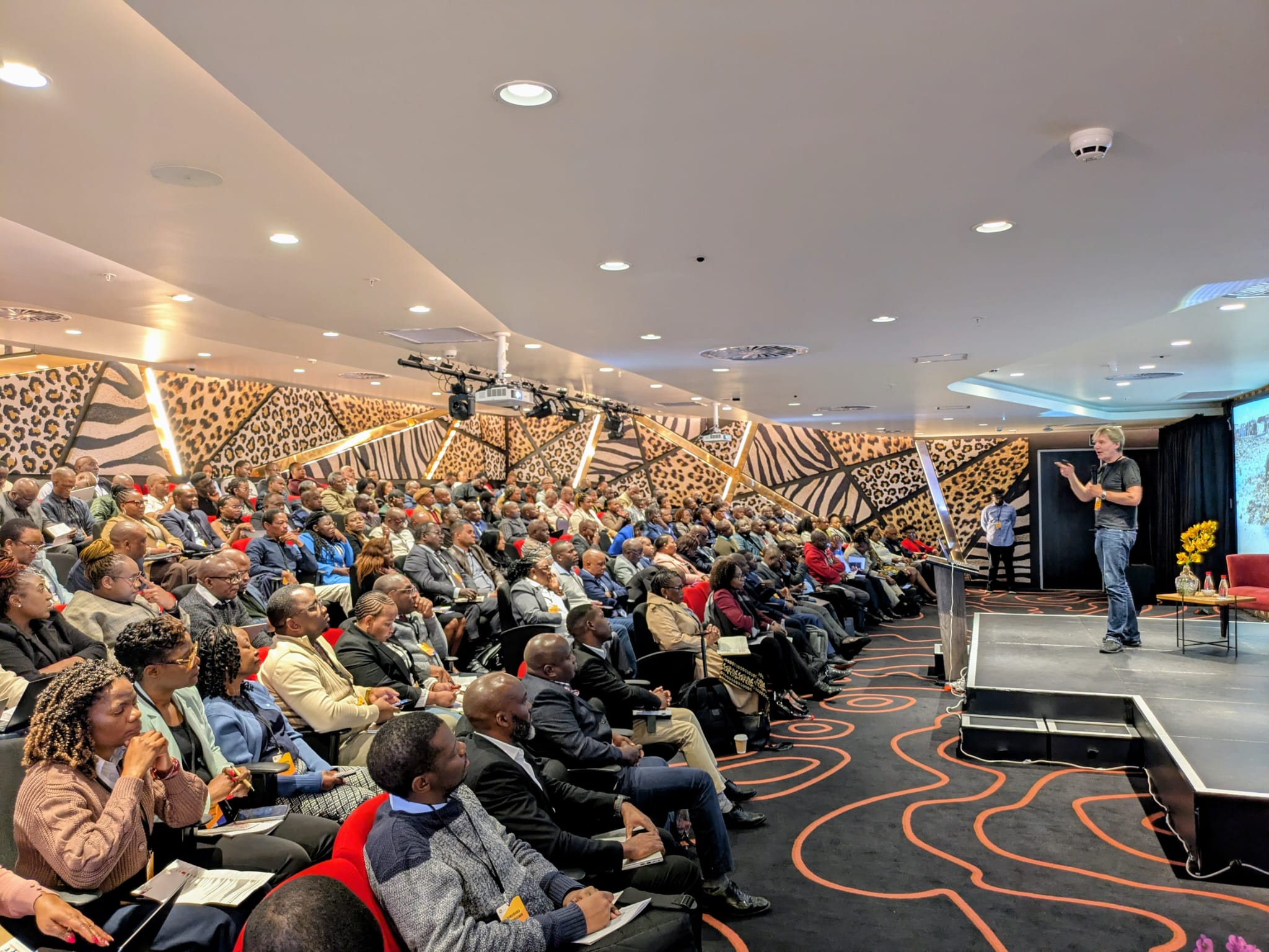
More than 170 senior government officials from across Southern Africa have recently completed an intensive three-day training programme aimed at helping governments get greater value from limited public budgets.
Officials from ministries of finance, planning, health, education and infrastructure joined representatives from presidents’ and prime ministers’ offices and central banks for the regional programme on cost-benefit analysis.
The training brought together participants from across the Southern African Development Community (SADC) at a time when governments in the region are under growing pressure to improve public services while facing tight fiscal constraints.
Rather than simply asking which policies governments would like to pursue, cost-benefit analysis seeks to answer a more practical question: which investments will generate the greatest benefits for each unit of public money spent?
After learning the principles of cost-benefit analysis on the first day, participants spent the following two days applying the approach to policy choices in areas including health, education, infrastructure, agriculture and economic development.
The exercises were designed to show how governments can systematically compare competing priorities, including investments that save lives, increase economic returns and improve people's wellbeing.
For some participants, the approach represented a significant shift in how policy priorities can be assessed.
"It has been an eye-opening training for all of us," said Malebogo Mokotedi, Director of National Planning at Botswana's National Planning Commission.
Taona Chaparadza, Chief Director for Evaluation and Learning at Zimbabwe's Office of the President and Cabinet, said the approach could influence future policy decisions.
"Cost-benefit analysis has unpacked another perspective in the policy ecosystem. The knowledge that we've acquired here is definitely going to be very instrumental," Chaparadza said.
The programme also sought to ensure that the lessons extend beyond the officials who took part directly.
"This training has been extremely valuable. Our responsibility now is to share what we've learned with our colleagues so that many more people can benefit," said Bernard Kamphasa, Permanent Secretary for Policy Analysis at Zambia's Cabinet Office.
The seminar was organised by the Copenhagen Consensus Center, which uses cost-benefit analysis to examine how governments and international organisations can achieve greater social and economic returns from limited resources.
Ralph Nordjo, Head of the organisation's Africa Directorate, said the response from participants showed growing interest in using evidence to determine government priorities.
"It has been inspiring to see more than 170 officials from so many countries embrace cost-benefit analysis," Nordjo said. "The discussions were thoughtful, the engagement was exceptional."
The training comes as governments across Southern Africa face the challenge of meeting substantial development needs with constrained budgets. By comparing the costs and expected benefits of different policies, cost-benefit analysis can help decision-makers identify where additional public spending is likely to have the greatest impact.
The Copenhagen Consensus Center continues to work with individual governments and regional partners to expand the use of evidence-based policy prioritisation across Africa.


