The Republic of South Africa and the Kingdom of Lesotho have demonstrated sufficient capacity to implement the Southern African Development Community (SADC) Anti-Corruption Effort Index (SACEI) following the national readiness assessments conducted by the SADC Secretariat.
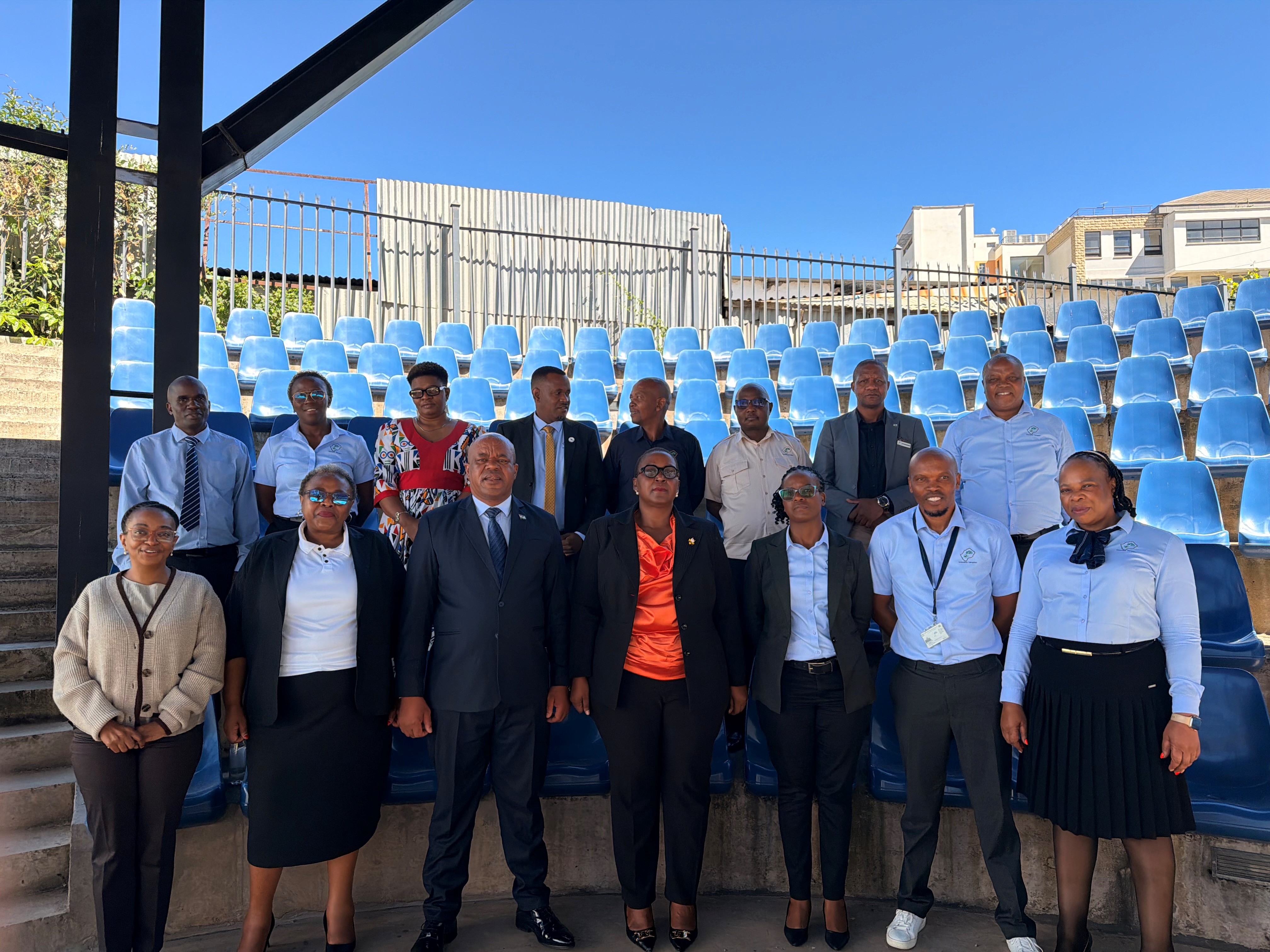
The SADC Secretariat undertook the readiness assessments on two Member States in collaboration with the Special Investigating Unit (SIU) in the Republic of South Africa from 19-20 October 2026; and the Directorate on Corruption and Economic Offences (DCEO) in the Kingdom of Lesotho from 22-23 October 2026.
Both Member States have developed roadmaps that outline critical actions that include stakeholder engagement and validation of results. The validated reports are expected to be submitted to the SADC Anti Corruption Committee and Ministerial Committee of the organ in 2027.
The SACEI is a regional anti–corruption effort index developed to support SADC Member States in evaluating their anti-corruption efforts through a structured, assessment tool which is evidence-based. It seeks to provide a clear understanding of national anti-corruption efforts and systems, identify areas requiring institutional strengthening; and support the monitoring of regional commitments to combating corruption.
The readiness assessment is an important preparatory stage in the implementation of the Index, as it provides an opportunity to assess institutional preparedness, familiarise Anti-Corruption Agencies (ACAs) with the SACEI methodology and identify the coordination, technical and data requirements necessary for effective national implementation.
The engagements in South Africa and the Kingdom of Lesotho also provided a platform for dialogue on the importance of institutional collaboration, national ownership and the involvement of relevant stakeholders in strengthening anti-corruption efforts.
The implementation of the SACEI contributes to the objectives of the SADC Protocol Against Corruption (2001) and the SADC Strategic Anti-Corruption Action Plan (2023–2027). It is aligned with SADC Vision 2050 and the Regional Indicative Strategic Development Plan (RISDP 2020–2030), which recognise good governance, accountability and strong institutions as essential foundations for sustainable development, regional integration, peace and security.
Corruption continues to pose significant challenges to governance and socioeconomic development, undermining public confidence, diverting resources from essential services and weakening the effectiveness of public administration. Through the SACEI, SADC seeks to strengthen the availability and use of evidence to inform national policy responses, institutional reforms and regional cooperation. The readiness assessments build on the progress made in developing and piloting the Index in the United Republic of Tanzania and the Republic of Mauritius, as well as rolling out to the Republics of Namibia, Botswana and Seychelles. This reflects SADC's commitment to progressively assisting Member States with effective tools and programmes to measure institutional efficiencies.
The European Union (EU) supported the assessments through the Enhancing the Capability and Effectiveness of SADC's Peace and Security Architecture (ECESPA) Programme. The Programme is designed to strengthen SADC's institutional capacities and regional cooperation to address peace, security and governance challenges.


