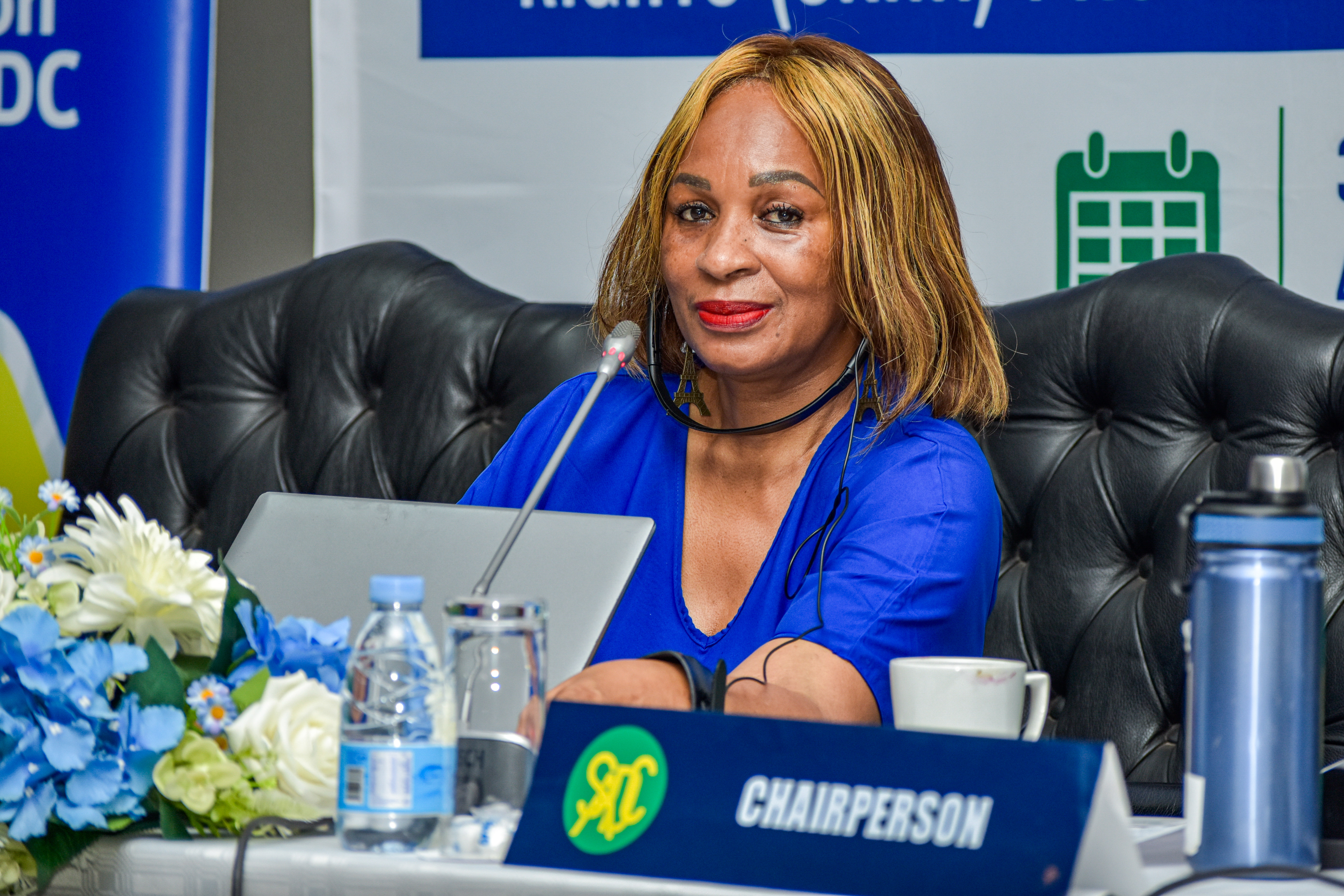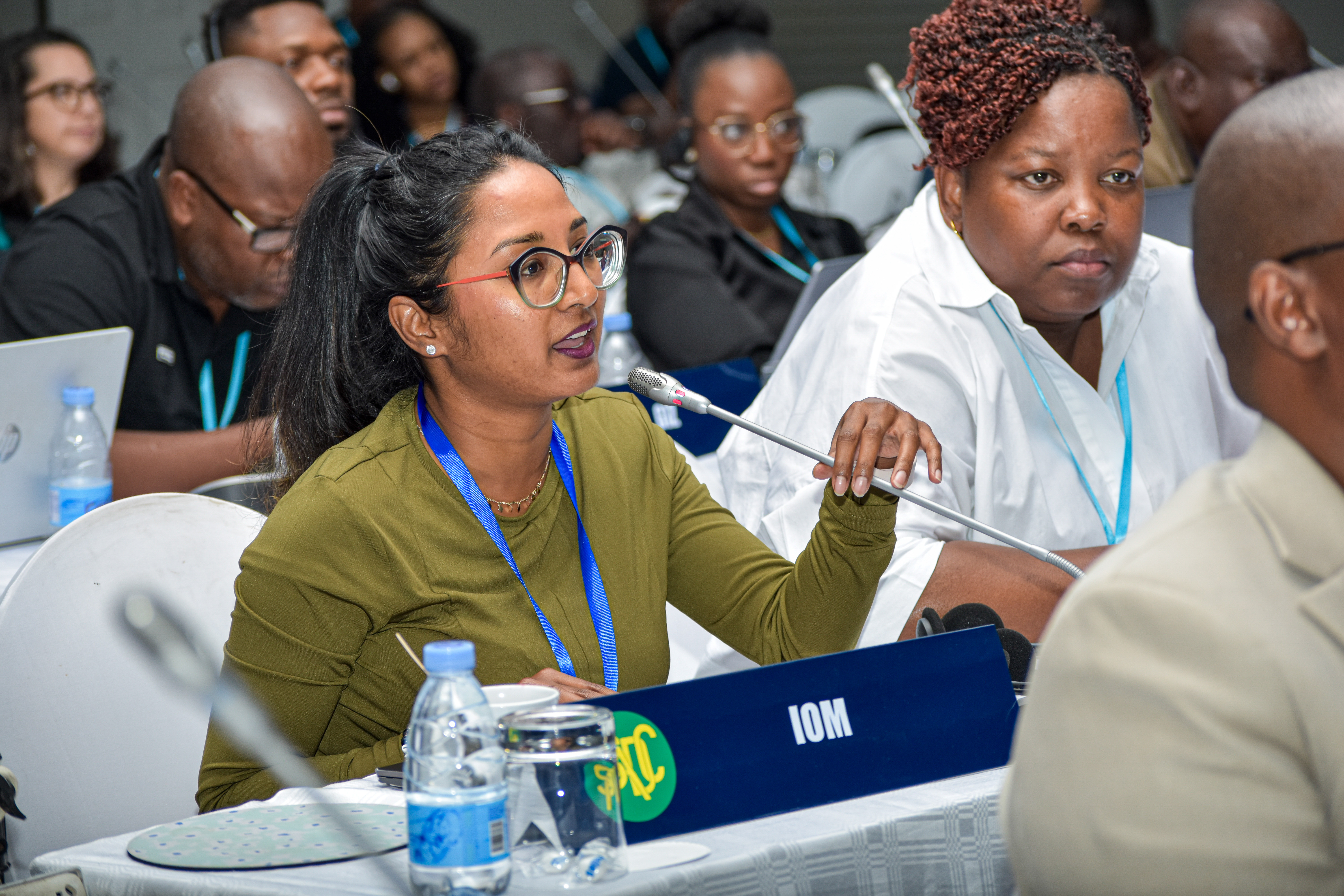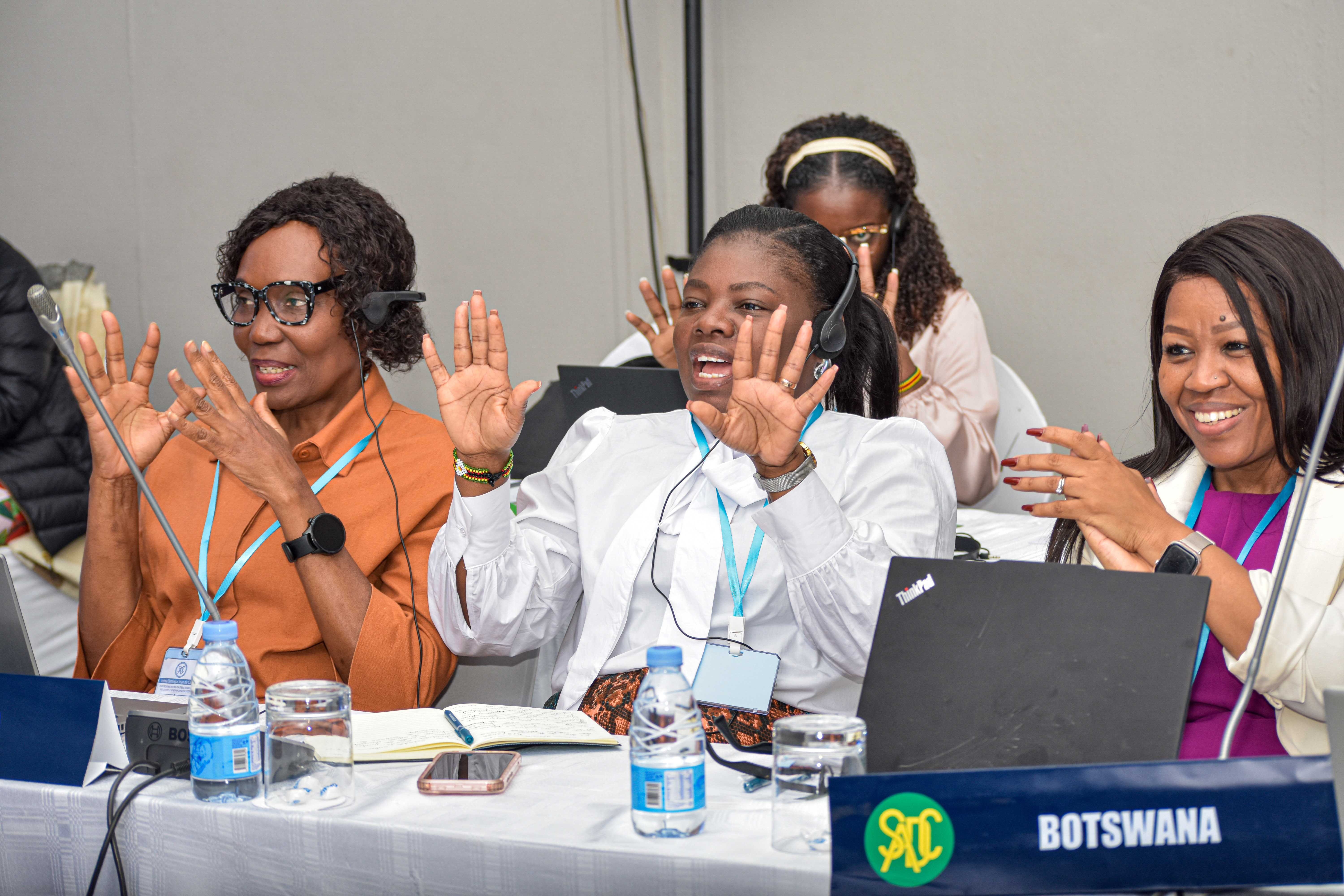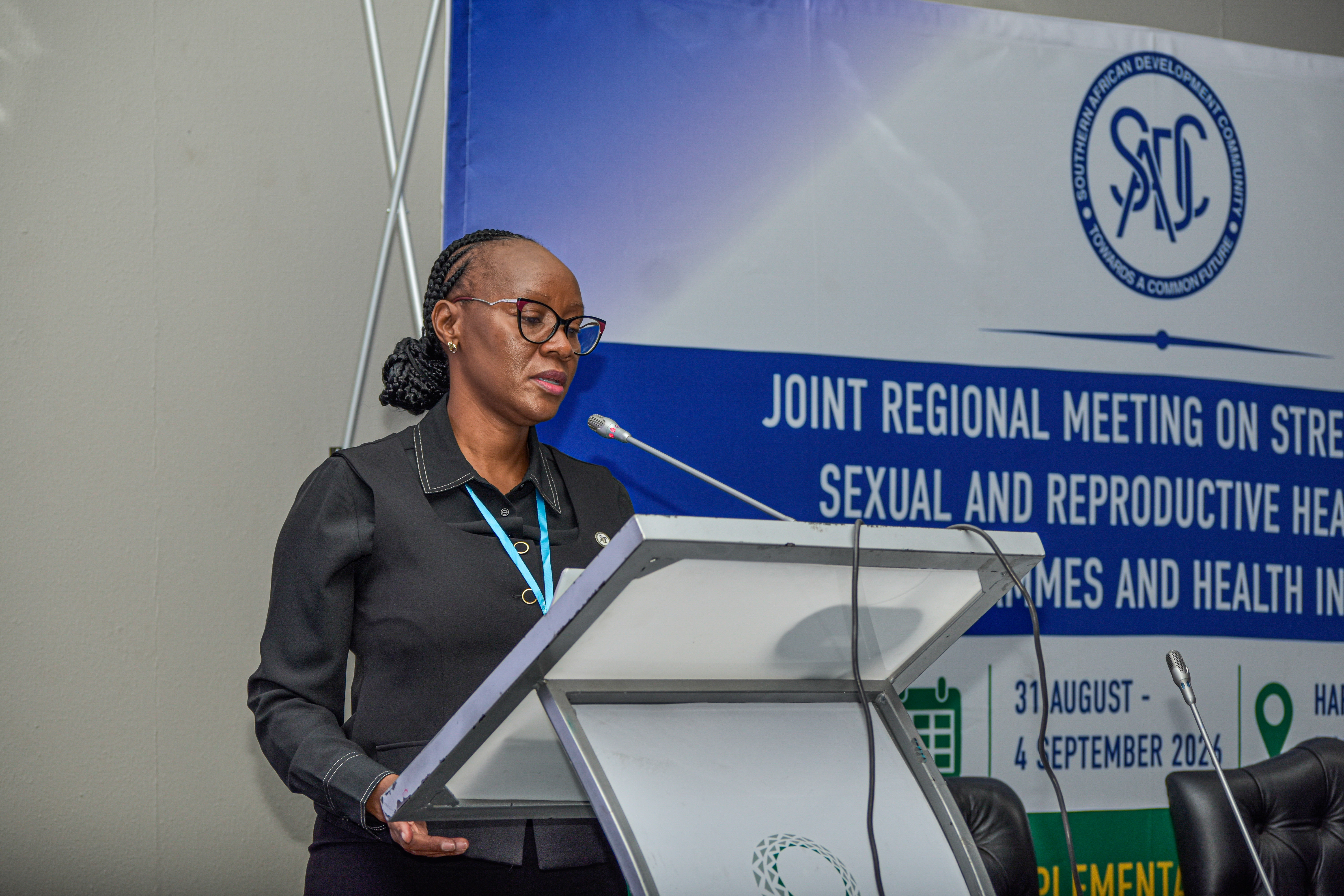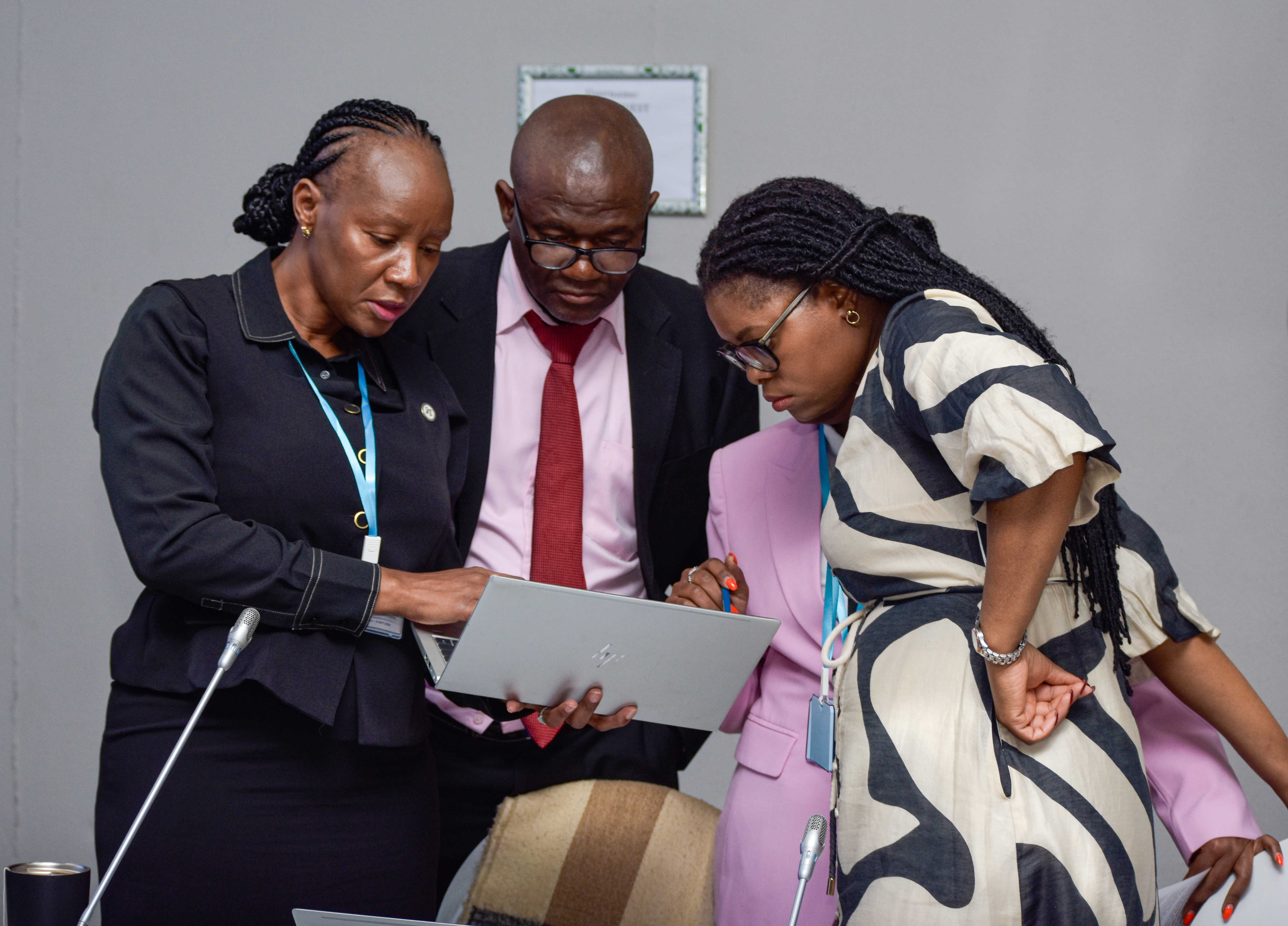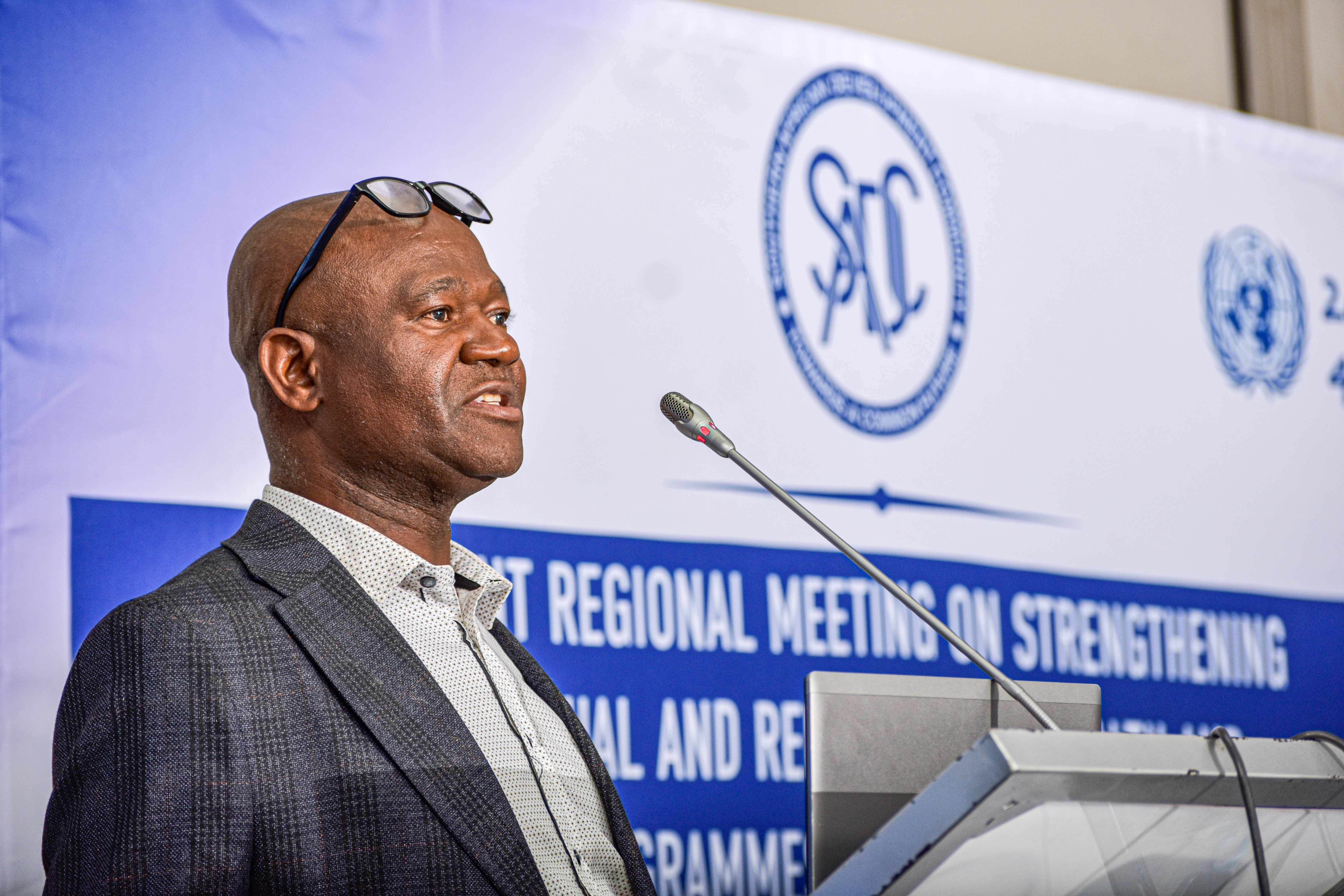
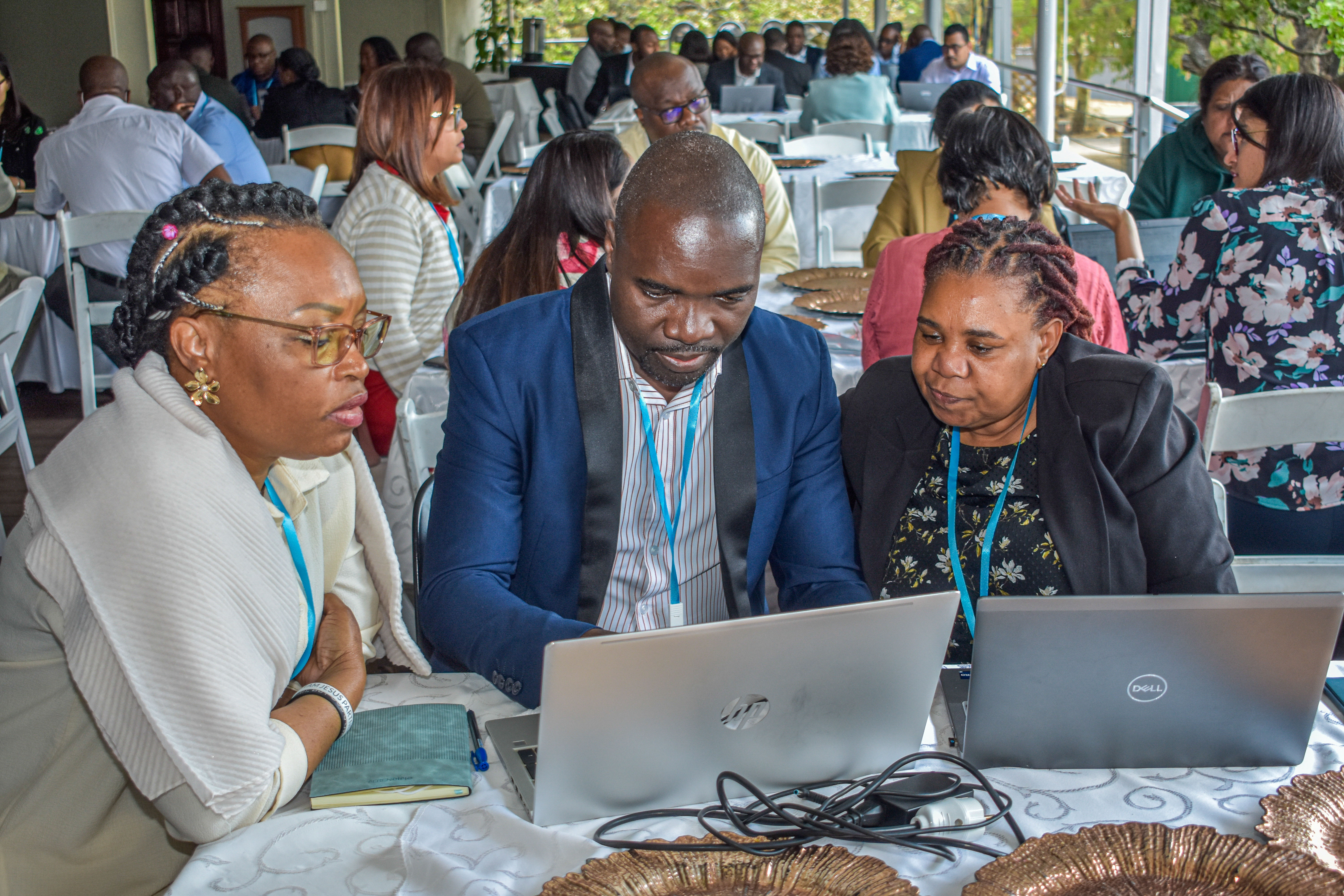
The Southern African Development Community (SADC) Joint Regional Meeting of Sexual and Reproductive Health and Rights (SRHR), HIV and Gender Programme Managers and Monitoring and Evaluation/Health Information Systems (M&E/HIS) Experts concluded on 4 September 2026 in Harare, the Republic of Zimbabwe, following five days of deliberations on accelerating implementation of the SADC SRHR Strategy 2019-2030.
Convened by the SADC Secretariat in partnership with UNAIDS, UNICEF, UNFPA and the World Health Organization (WHO) under the 2gether 4 SRHR and RAISE SRHR initiatives, with financial support from SIDA, the meeting brought together 145 participants from the 15 SADC Member States, development partners, youth representatives, civil society organisations and technical experts.
The meeting reviewed progress in implementing the SADC SRHR Strategy 2019-2030, assessed emerging challenges, and agreed on actions to strengthen delivery of integrated SRHR, HIV and gender programmes across the region.
Opening the meeting, Ms Thembi Zulu, Deputy Director responsible for Women's Health in the Republic ofSouth Africa, called for a shift from policy commitments to measurable results, emphasising accountability, effective use of data, national ownership and sustainable financing. Dr Manasa Dzirikure, SADC Secretariat Coordinator for SRHR, stressed the importance of translating decisions of SADC Ministers of Health and HIV into concrete actions that improve the lives of citizens.
Participants acknowledged progress in strengthening SRHR policies, expanding access to services, improving monitoring systems and advancing adolescent and youth SRHR programmes. However, challenges remain, including maternal mortality, adolescent pregnancies, new HIV infections among vulnerable populations, financing constraints, data quality gaps, and the growing impact of humanitarian emergencies and climate-related disasters on health service delivery.
Discussions focused on strengthening evidence-based programming, improving routine health information systems, expanding access to integrated SRHR, HIV and gender-based violence (GBV) services, improving maternal health outcomes, and promoting meaningful youth participation. Participants also highlighted the need for more resilient health systems capable of maintaining essential services during emergencies and public health crises.
A major outcome of the meeting was the development of country roadmaps outlining priority actions, targets and technical support needs to accelerate implementation of the SADC SRHR Strategy 2019-2030. Participants also validated the SADC Conceptual Framework for Investing in SRHR and Youth for the Demographic Dividend and agreed on a roadmap for developing a regional framework on SRHR in humanitarian emergencies, including climate change.
To strengthen regional coordination and accountability, participants endorsed the draft Terms of Reference for the Technical Committee of SADC SRHR Managers, which will provide technical leadership, oversight and follow-up on regional commitments and ministerial decisions. The meeting further emphasised the implementation of the SADC Minimum Standards for Integration of SRHR, HIV, GBV and Humanitarian Emergency Services to improve access to coordinated, people-centred services and ensure continuity of care during emergencies.
In her closing remarks, Ms Zulu highlighted four priorities for regional action: strengthening integration of SRHR, HIV and GBV services including climate change and related humanitarian and emergency services; enhancing data-driven accountability; promoting youth- and community-led action; and advancing sustainable financing mechanisms.
The meeting concluded with a renewed commitment by Member States and partners to accelerate implementation of regional commitments and translate policies and strategies into measurable improvements in health and well-being across Southern Africa. Participants reaffirmed the importance of partnership, accountability and evidence-informed decision-making in ensuring that no one is left behind.