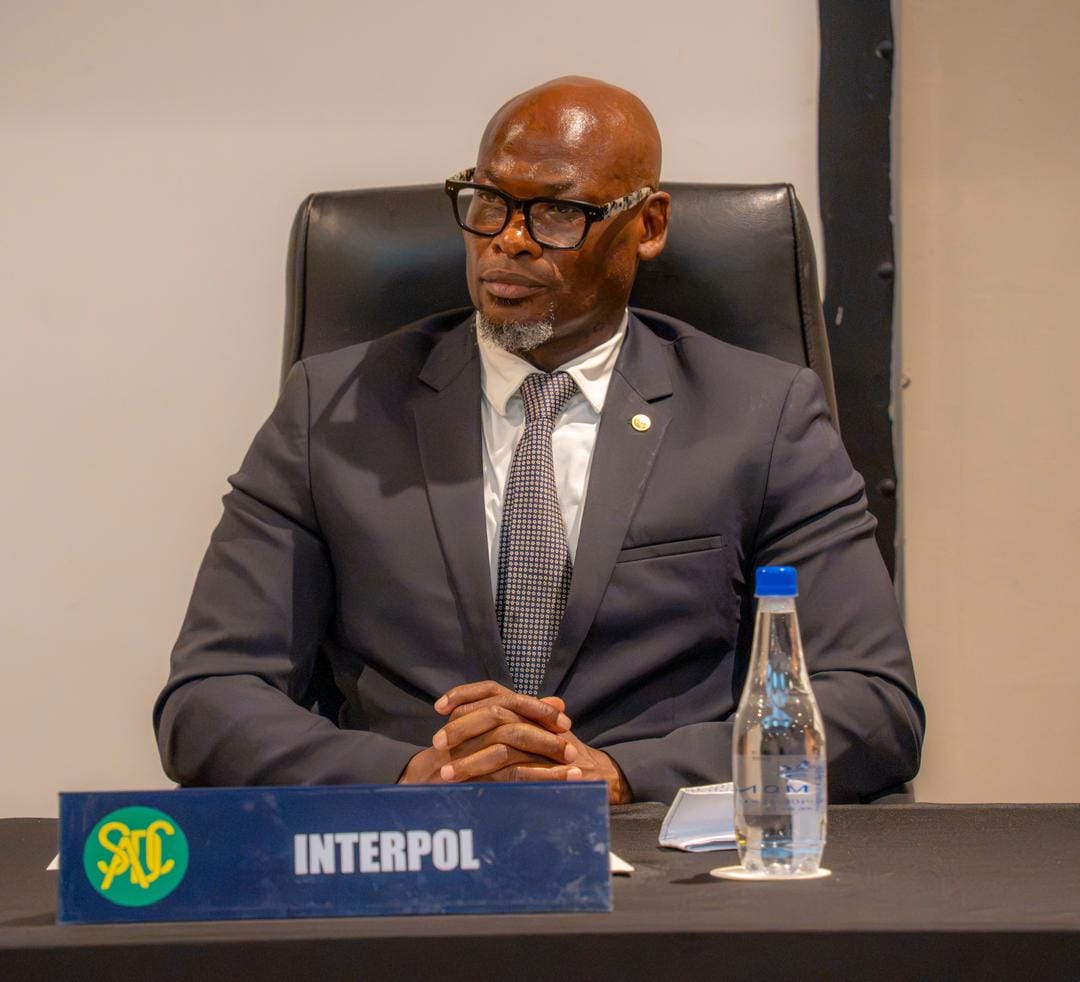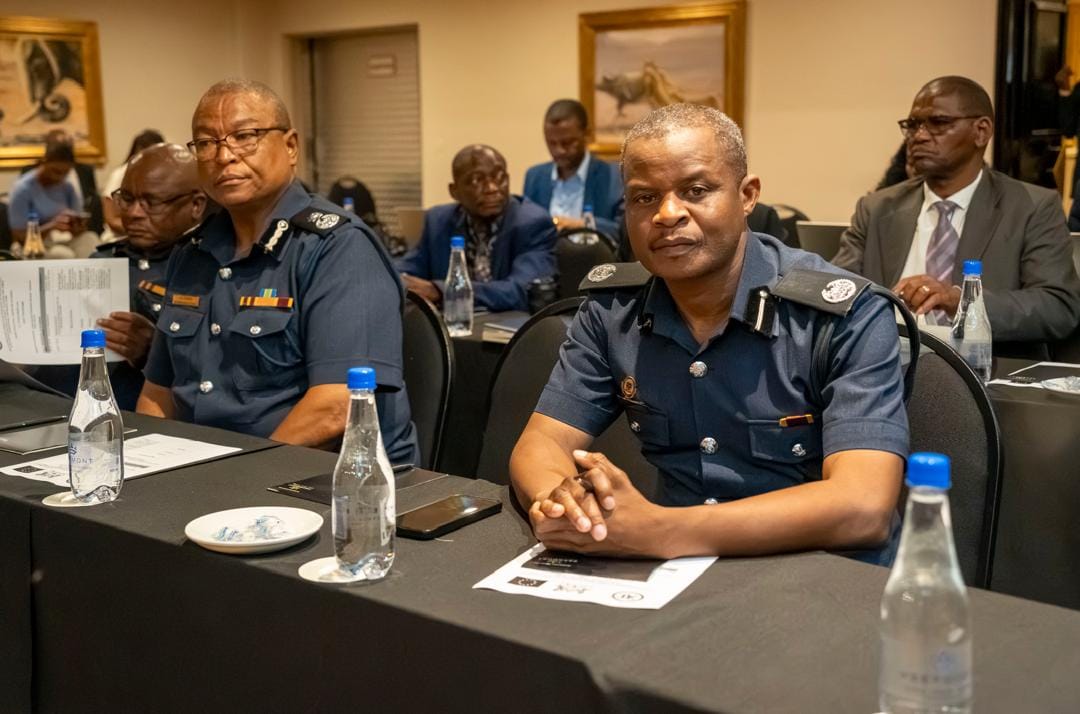
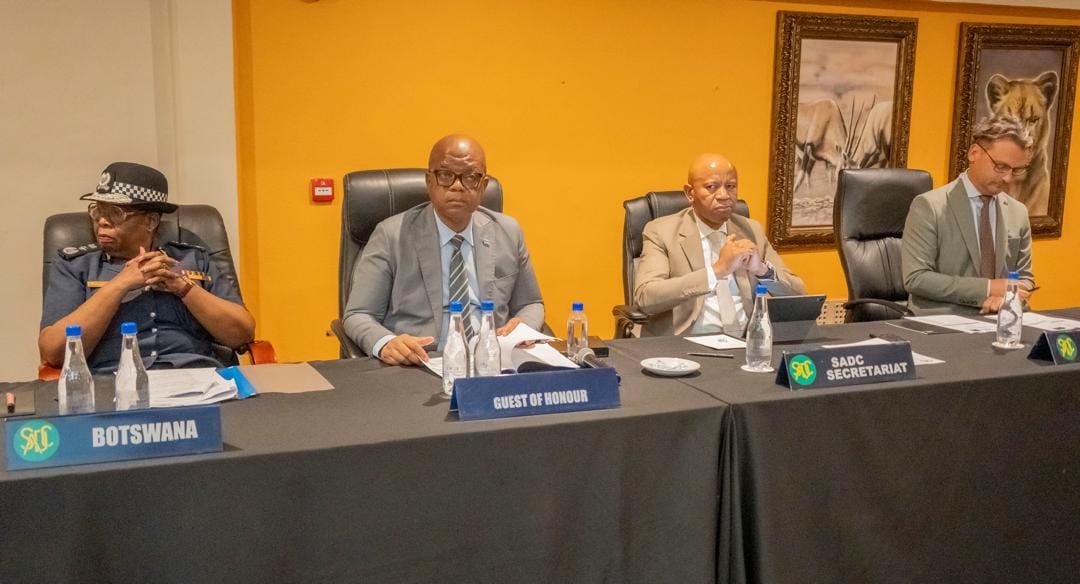
In a significant demonstration of political will and institutional commitment, Botswana in collaboration with the SADC Secretariat, supported by INTERPOL Regional Bureau Harare convened a three-day multi-stakeholder consultative workshop to develop the country’s National Integrated Strategy to Prevent and Combat Transnational Organised Crime (TOC).
The workshop, held from 4 to 6 November 2026, brought together representatives from government ministries, law enforcement agencies, financial regulators, civil society, the private sector, and international partners to develop a comprehensive, whole-of-government response to transnational organised crime. The workshop was financially supported by the European Union and the Institute for Security Studies provided technical support.
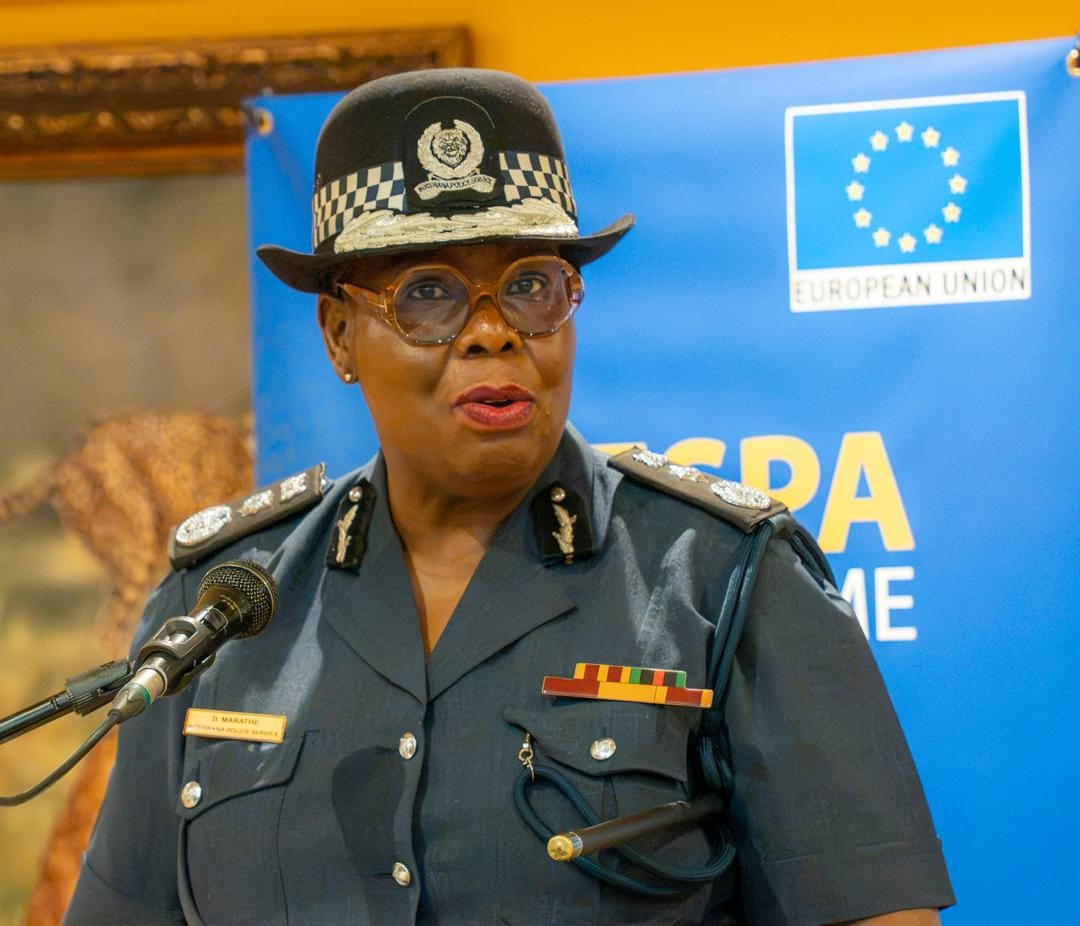
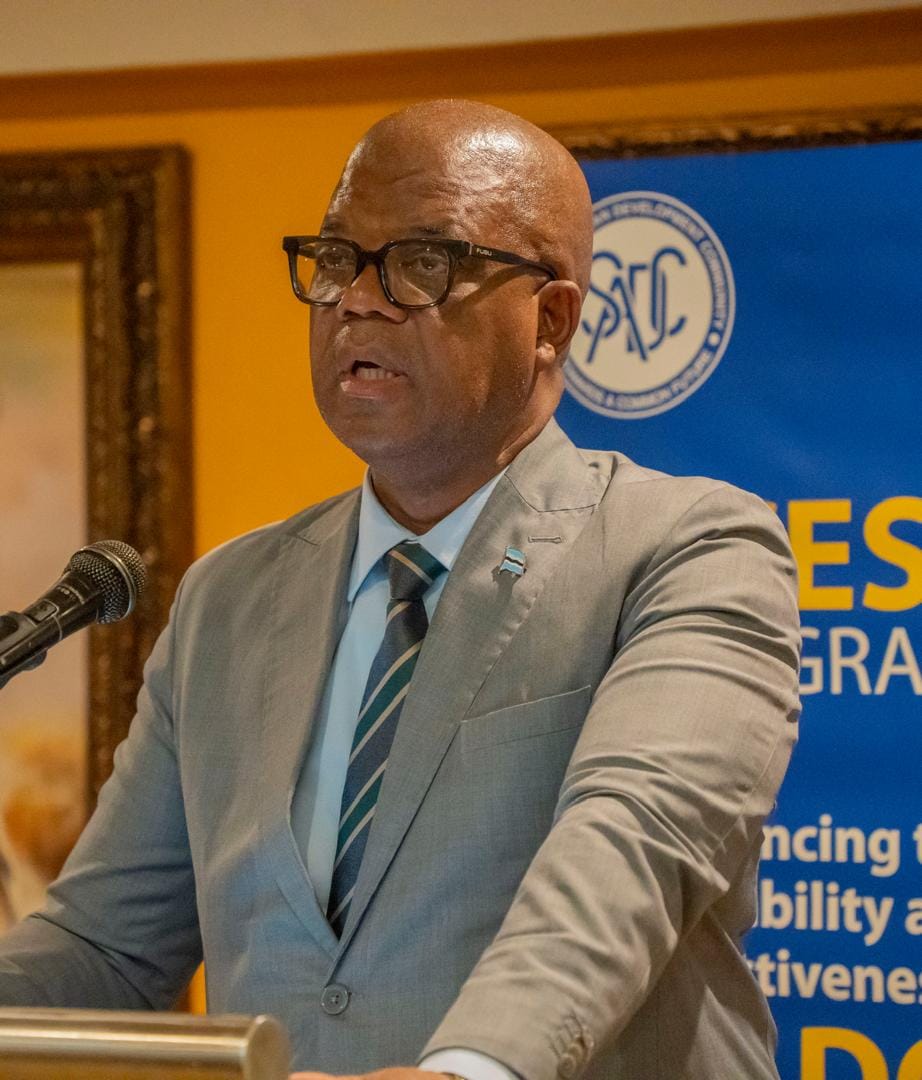
The workshop was officially opened by Honourable Moeti Caesar Mohwasa, Minister for State President, Defence and Security of the Republic of Botswana, who was accompanied by the Botswana’s Commissioner of Police, Ms. Dinah Marathe. In his remarks, the Minister emphasised that transnational organised crime continues to strike at the very foundation of the nation. He underscored the devastating impact of organised crime on Botswana’s communities, highlighting the growing threat posed by transnational criminal networks operating across national borders. He cited cross-border livestock theft as a serious concern that continues to undermine rural livelihoods, threaten food security and cause significant economic losses to affected communities.
The Minister further drew attention to the increasing sophistication of organised criminal networks, particularly their involvement in financial crimes, money laundering and the movement of illicit proceeds through the financial system. He emphasised that these criminal activities not only undermine economic stability and public confidence but also pose serious threats to national and regional peace and security, underscoring the urgent need for strengthened cross-border cooperation and coordinated law enforcement responses to disrupt and dismantle organised criminal networks.
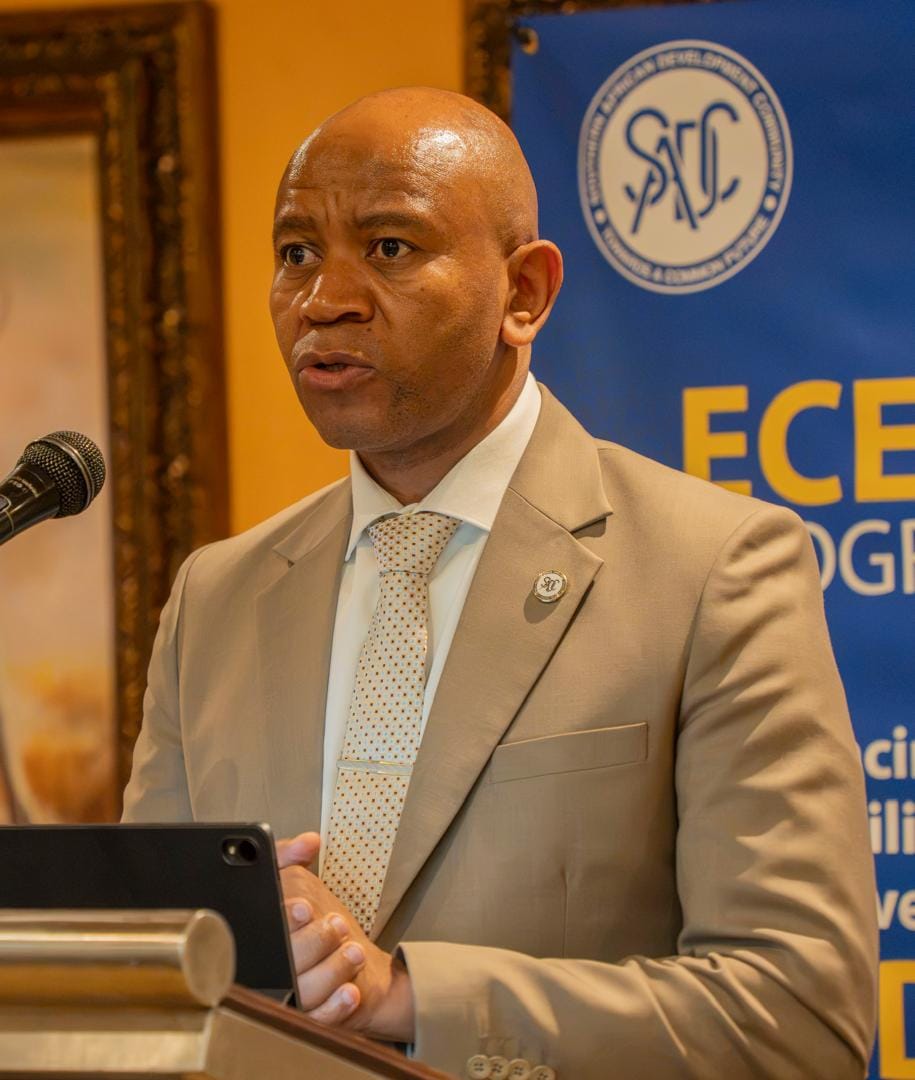
On behalf of the SADC Secretariat, Professor Kula Ishmael Theletsane, Director of the Organ on Politics, Defence and Security Affairs, praised Botswana for developing its National Strategy to Prevent and Combat Transnational Organised Crime. He urged participants to be guided by core principles including an intelligence-led, multidisciplinary approach; meaningful partnerships with the private sector and civil society; and a focus on addressing corruption as the greatest enabler of organised crime.
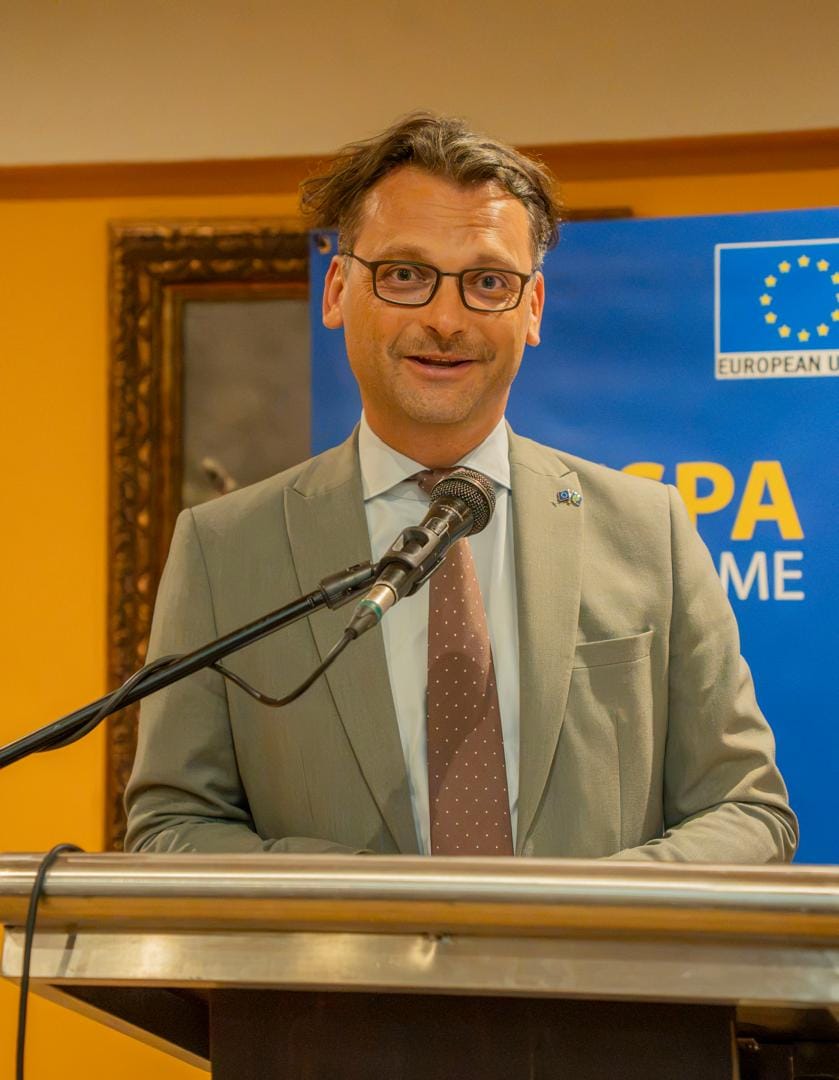
On the same event, Mr. German Catalin, Head of Development Cooperation at the European Union Delegation to Botswana and SADC, emphasised the EU’s long-standing partnership with SADC and its support for peace and security initiatives across the region. He noted that a similar workshop will take place in Malawi, reflecting a coordinated regional effort to strengthen national responses to TOC.
The multi-stakeholder consultative workshop featured a comprehensive agenda designed to build a robust, implementable strategy. It focused on understanding global and regional transnational organised crime trends and nascent vulnerabilities for both the region and Botswana. The workshop identified areas in Botswana's Draft National Strategy that needed to be streamlined with the SADC Regional Strategy to Prevent and Combat Transnational Organised Crime, including through the establishment of a National Organised Crime Task Force and identification of oversight mechanisms; key indicators and adoption of a National Roadmap for implementing the National Strategy. Botswana’s National Strategy represents a strategic investment in the country's security, institutional resilience, and contribution to regional stability.